

Read The
Current Issue
By Samantha Simma // Photography by Camrin Dengel
—
On a winter morning in the Tetons, the idea of willingly stepping into cold water can feel absurd. Snow squeaks underfoot, breath hangs in the air, and most of us are already thinking about how fast we can get warm again. And yet, across Jackson Hole and Teton Valley, more people are seeking out cold plunges, pairing them with saunas or hot tubs, and repeating the cycle intentionally.
Contrast therapy — the intentional alternation between heat and cold — is no longer confined to elite athletes or Nordic folklore. It has become a mainstream wellness practice, woven into backyard routines, mobile sauna sessions, guided river plunges, and recovery studio methods. Advocates claim benefits ranging from faster muscle recovery and improved circulation to better sleep, sharper focus, and increased stress resilience. Skeptics wonder whether the discomfort is worth it.
To understand why contrast therapies have taken hold, and what the research actually supports, it helps to look at both the science and the stories behind the trend.
Old Traditions, New Momentum
The practice of alternating hot and cold is far from new. Finnish saunas have been paired with icy lakes for centuries. Patrons of ancient Roman bathhouses soaked in warm, hot, and cold pools as part of their daily life. In Japan, ritual cold-water immersion (misogi) has long been used for purification and mental clarity.
What’s different now is how these practices are being adapted (and marketed) through a modern wellness lens. Research on thermoregulation, inflammation, and the nervous system helps explain why people feel so revitalized after enduring temperature extremes. Simultaneously, Wim Hof and other cultural figures have brought cold exposure into the spotlight, framing it as a tool for both physical health and mental toughness.
Tim Walther, founder of Grand Dynamics International, which offers guided cold plunge experiences in Jackson Hole, first approached cold immersion as a personal challenge rather than a business idea. After years of adventure pursuits and free diving, he traveled to Iceland to study cold immersion and breathing techniques under instructors closely connected to the Wim Hof Method. What struck him wasn’t just the intensity of the experience, but how structured it was. “There’s a very distinct process,” Walther explains, emphasizing that cold immersion isn’t about grit alone. Breath control, mindset, and gradual exposure all play critical roles in making the practice safe and effective.
What Happens in the Body
At its simplest, contrast therapy relies on two opposing physiological responses. Heat exposure, whether from a traditional sauna, infrared sauna, or hot tub, causes blood vessels to dilate, a process known as vasodilation. Heart rate increases, circulation improves, and the body begins to sweat. Cold exposure triggers the opposite response, vasoconstriction, when blood vessels narrow and blood is shunted toward the core to protect vital organs.
Moving back and forth between these states creates what many practitioners describe as a “pumping” effect on the vascular system.
“It acts like a workout for your blood vessels,” says Tycen Birch, owner of Hygge Hut Sauna, a mobile sauna service operating throughout Jackson Hole. “Your heart rate goes up in the heat, slows in the cold, and that back-and-forth is really beneficial for circulation.”
Research supports this idea. Studies on sauna use have linked regular exposure to improved cardiovascular health and reduced risk of heart-related events. Cold immersion has been shown to reduce inflammation, stimulate brown fat activity, and trigger the release of neurotransmitters like dopamine and norepinephrine, which can elevate mood and alertness.
Importantly, the benefits are not just physical. Both heat and cold challenge the nervous system, requiring the body — and mind — to regulate stress responses rather than react automatically.
The Mental Side of Discomfort
One of the strongest through-lines in conversations with local practitioners is the psychological impact of contrast therapy. Cold exposure, in particular, forces immediate discomfort. The body wants to gasp, tense, or flee. Learning to slow the breath and stay present becomes the work.
“The first minute is the crux,” Walther explains. “If you can lead your response instead of reacting, everything changes.”
This idea is echoed in the Grand Dynamics mindset and breathing framework, which emphasizes responding thoughtfully to stress rather than reacting impulsively. The same skills used to stay calm in cold water, controlled breathing, focus, and acceptance, translate into everyday situations, from difficult conversations to high-pressure work environments.
For many people, that mental carryover is what keeps them coming back. The cold itself doesn’t get easier, but confidence in handling it grows.
“It’s never comfortable,” Walther says. “But you feel better for hours afterward. Your sleep improves. Your awareness improves. And there’s a quiet confidence that comes from doing something hard.”

Hot First or Cold First?
While contrast therapy often gets lumped into a single category, the order and intensity of hot and cold exposure matter — especially for beginners. At Bodywise Idaho, which offers whole-body cryotherapy, infrared sauna, and localized cold treatments, owner Amy Jennings emphasizes customization. Each client’s health history, hydration level, and goals shape how therapies are used.
“Cryotherapy isn’t just for athletes,” Jennings says. “We see people with chronic pain, inflammation, and autoimmune conditions coming in for maintenance.”
When combining sauna and cryotherapy, Jennings recommends heat first, cold last. The reason is physiological: cryotherapy initiates a cascade of responses that continue for hours after the session.
“You don’t want to jump into a hot shower or hot tub afterward,” she explains. “Your body is already doing a lot of work, and reheating too soon can interfere with that process.”
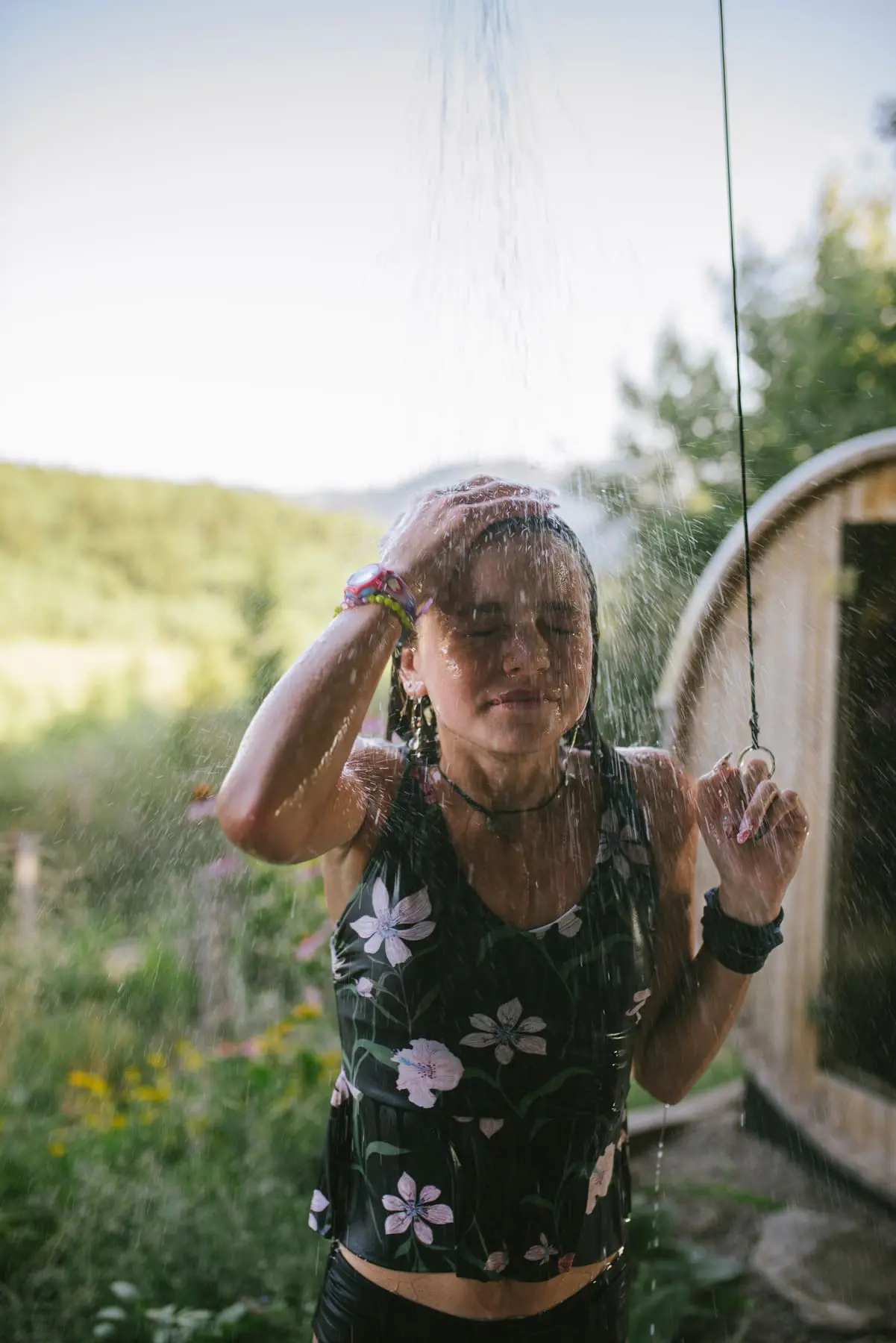
In contrast, traditional sauna users like Birch often advocate cycling heat and cold multiple times, especially when cold exposure is brief and controlled, such as a plunge or cold shower rather than whole-body cryotherapy. Both approaches share a common theme: intention matters. More extreme temperatures or longer durations don’t automatically mean better results.
Backyard Setups and Community Rituals
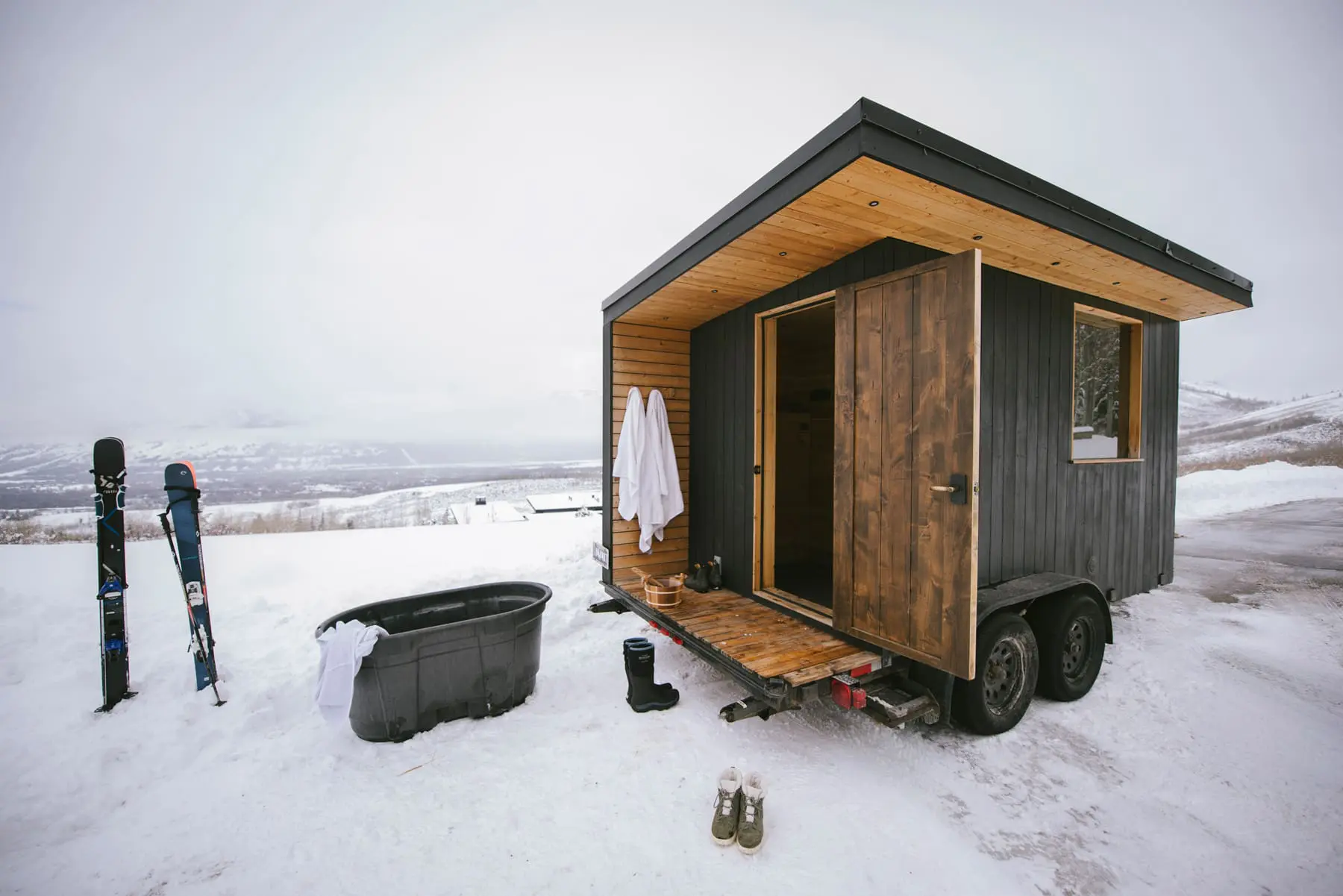
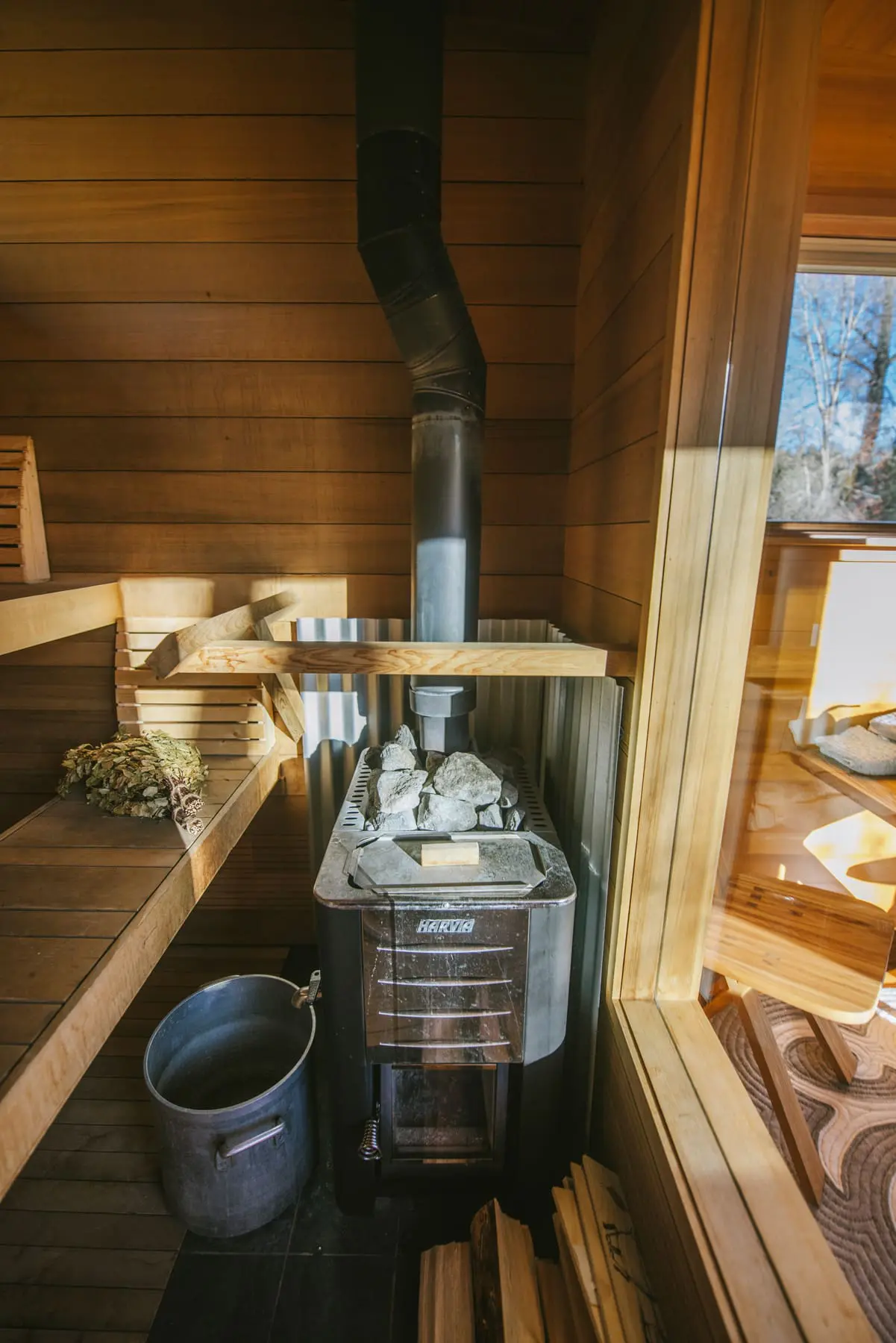
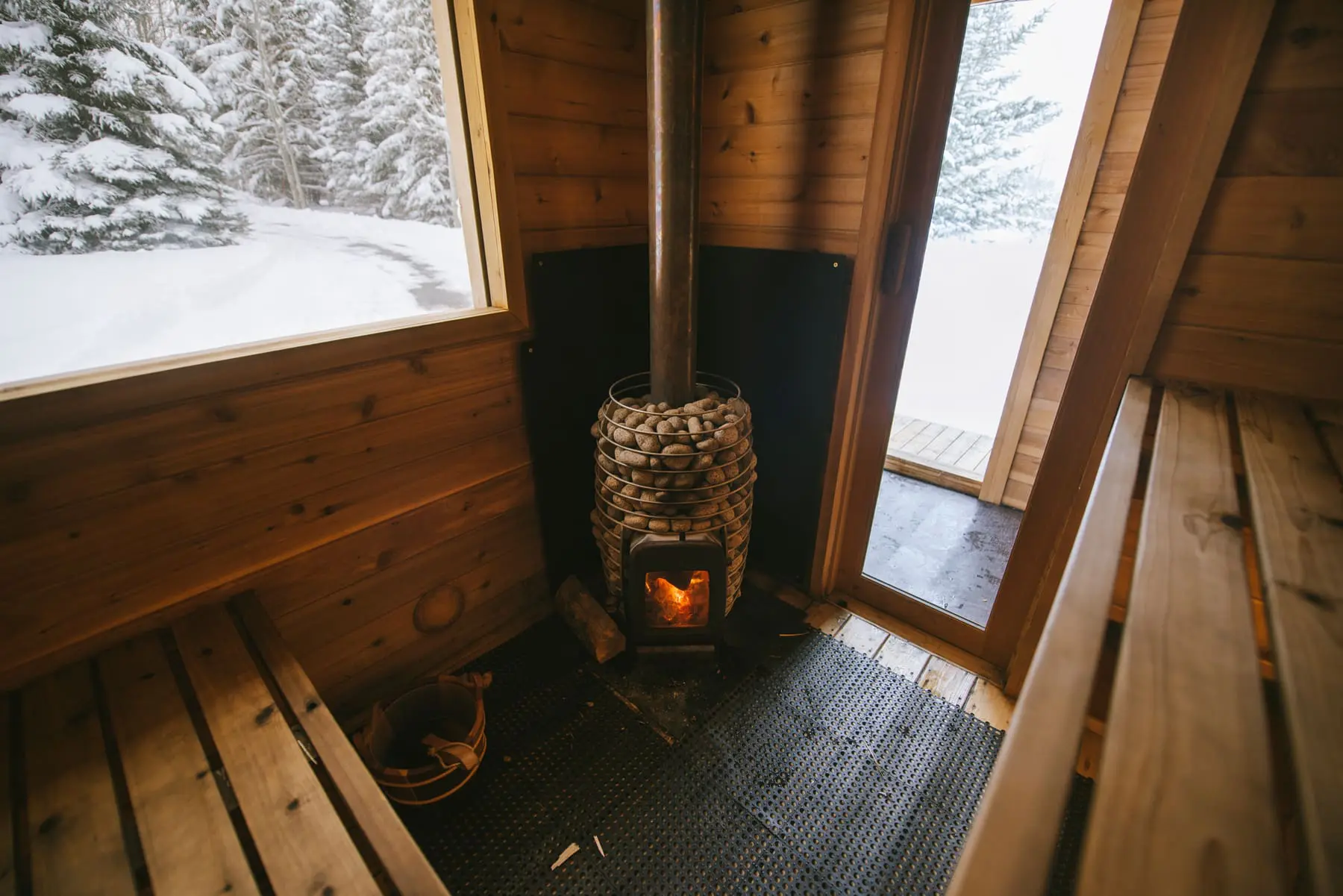
Part of the appeal of contrast therapy is its adaptability. Stock tanks, chest freezers converted into cold plunges, wood-fired saunas on trailers, and infrared sauna pods have all become part of the local landscape.
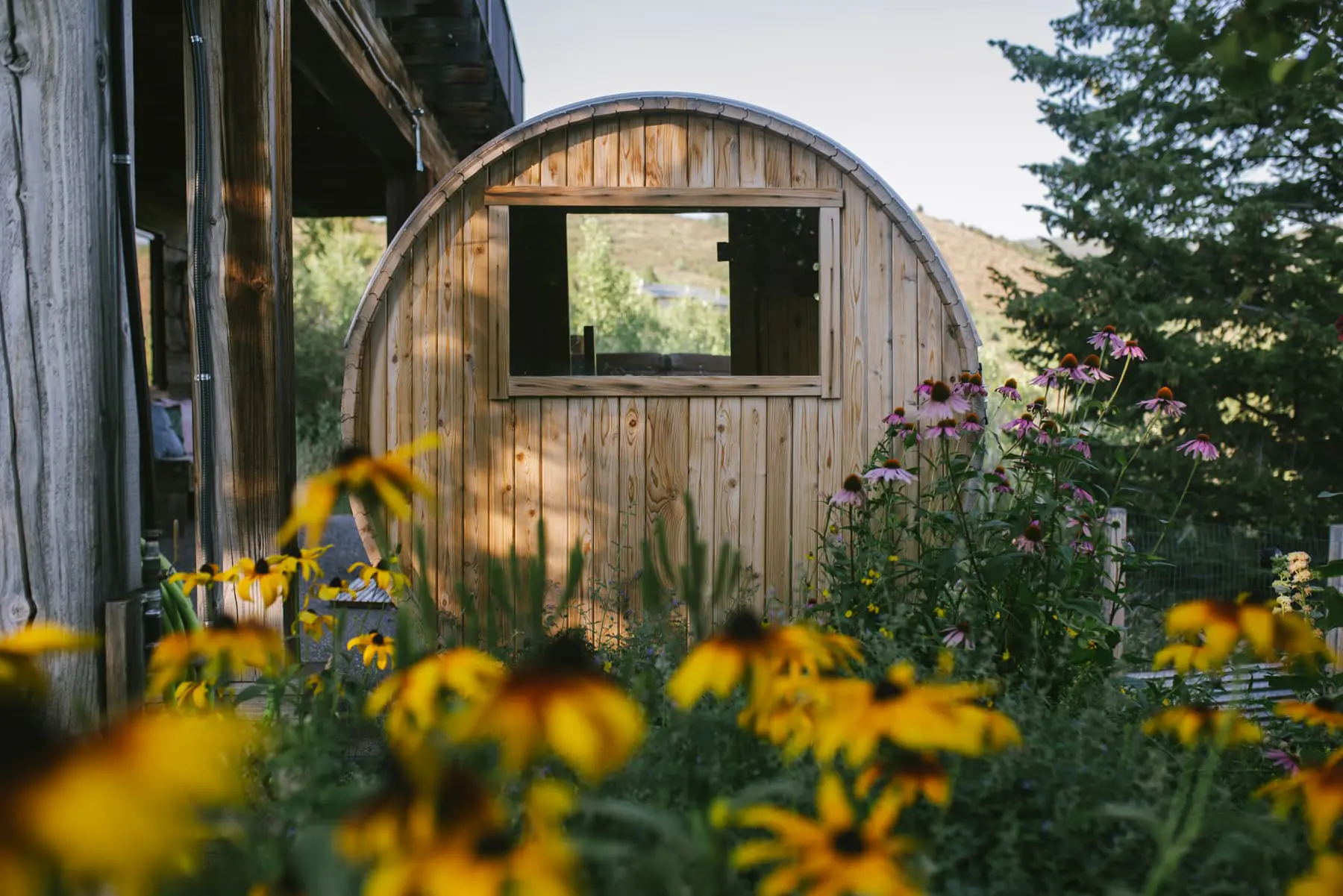
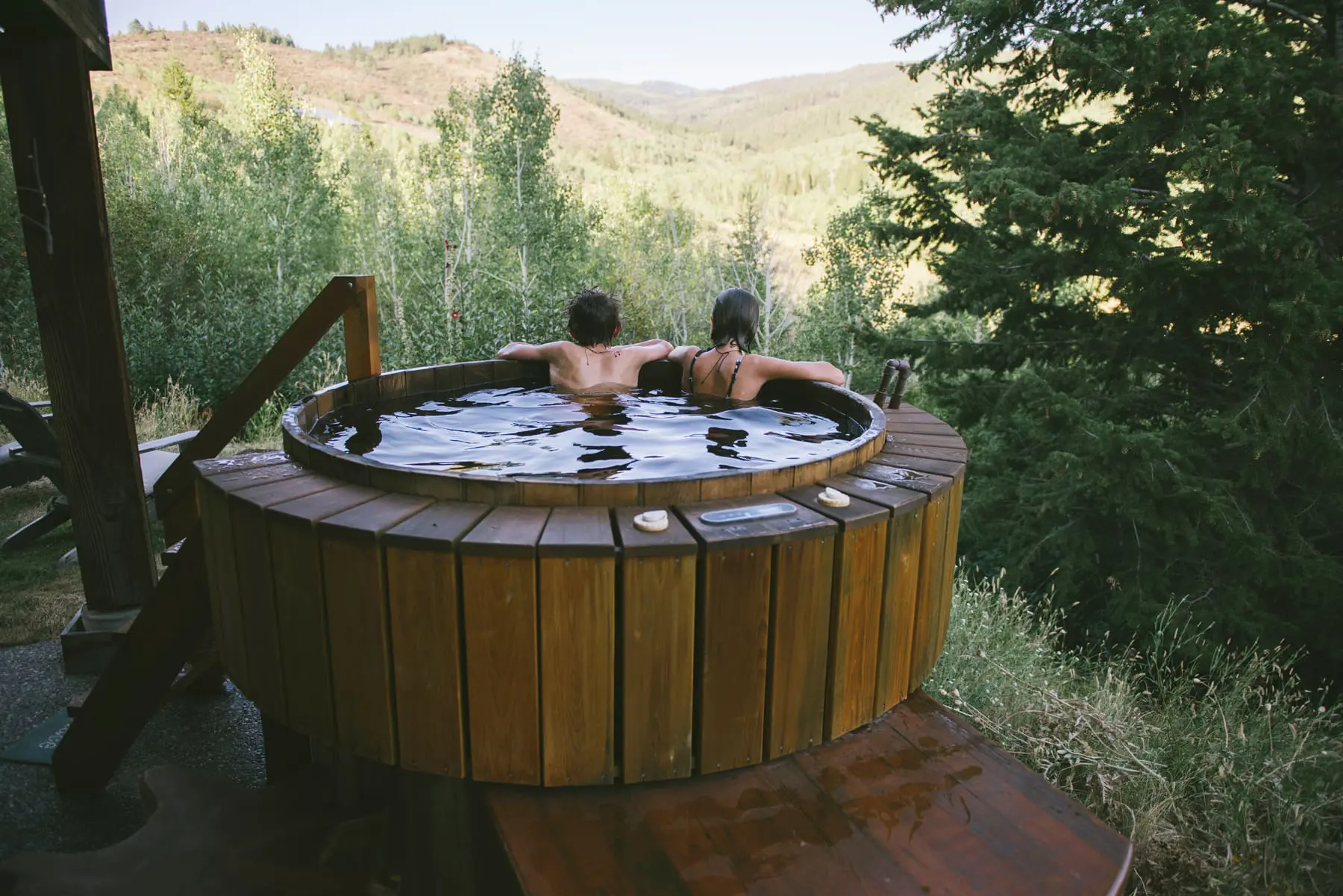
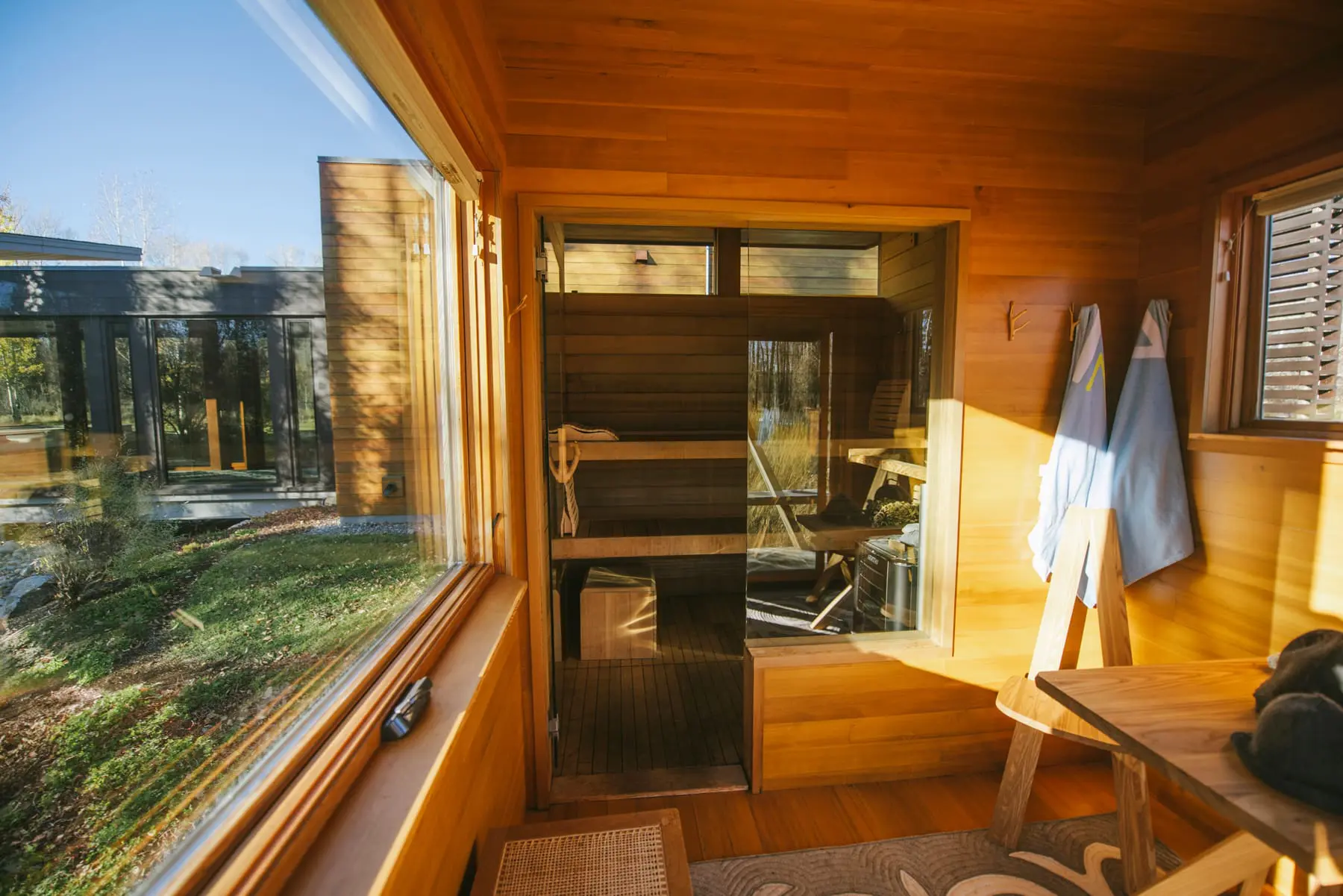
For Kate Stitt, the appeal is both practical and personal. “It’s just a nice way to wind down the day or start the day,” she says, describing the cedar sauna and hot tub she and her husband, Shawn, built on their property. What began as a DIY project evolved into a daily morning ritual for her husband and a post-ski recovery for her.
“I feel a lot more refreshed after I get out — less groggy,” Stitt says. “It’s almost like a cup of coffee for me. It just clears my head.”
That accessibility — being able to step outside and into a sauna without leaving home — is part of what’s fueling the trend locally. As Stitt puts it, creating a “mini spa right on our property” was as much about lifestyle as it was about wellness.
Behind many of these backyard builds are craftspeople like Ryan Talermo, who designs and constructs custom saunas throughout the valley. Talermo, who grew up building saunas with his Finnish father, sees the current boom as both cultural and inevitable.
— Kate Stitt
I feel a lot more refreshed after I get out [of the sauna] — less groggy. It’s almost like a cup of coffee for me.
“We’re going to see the proliferation of saunas in the next couple of decades, as we saw with yoga studios and other wellness spaces,” he says.
His approach is deeply site-specific, balancing function, aesthetics, and environment. “People think they want a bigger sauna than they do,” Talermo explains, noting that larger builds require more time and energy to heat. Instead, he works with clients to design spaces that align with how they’ll actually use them, while also considering views, privacy, and how the structure fits into the surrounding landscape. That intentionality reflects a broader shift: these aren’t just amenities, but spaces designed for recovery and connection.
Birch views the sauna not just as a wellness tool, but as a social one. “It’s kind of the antidote to digital stress,” he says. “There are no phones in there. You’re just sitting across from people and talking.” That communal aspect echoes the tradition of saunas as gathering spaces.
Finding Balance in Extremes
In a place defined by weather, elevation, and physical challenge, it makes sense that contrast therapy has found a home. It mirrors the rhythms of mountain life: effort and rest, exposure and shelter, intensity and calm. What sets today’s movement apart is its growing emphasis on balance. The goal isn’t to prove toughness or chase records, but to build resilience — physically and mentally — over time.
For many locals, stepping into cold water after the heat of a sauna is less about extremes and more about learning where that balance lives.
Safety First
Despite its benefits, contrast therapy isn’t for everyone. Heart conditions, Raynaud’s disease, pacemakers, and certain circulatory issues can make cold exposure risky. Hydration and nutrition are also essential; several practitioners emphasized that dizziness and discomfort often trace back to people skipping meals or fluids before a session.
Most importantly, guidance matters. Whether through a professional service or careful self-education, understanding how to enter, exit, and recover from heat and cold exposure is key to staying safe.