

Read The
Current Issue
By Mel Paradis
—
D
uring more than 20 years working in schools, I’ve heard the same story in countless conferences. Parents see a curious, creative, deeply feeling child struggling, and they want to know how to support them. The answer starts with embracing neurodiversity.
What Is Neurodiversity?
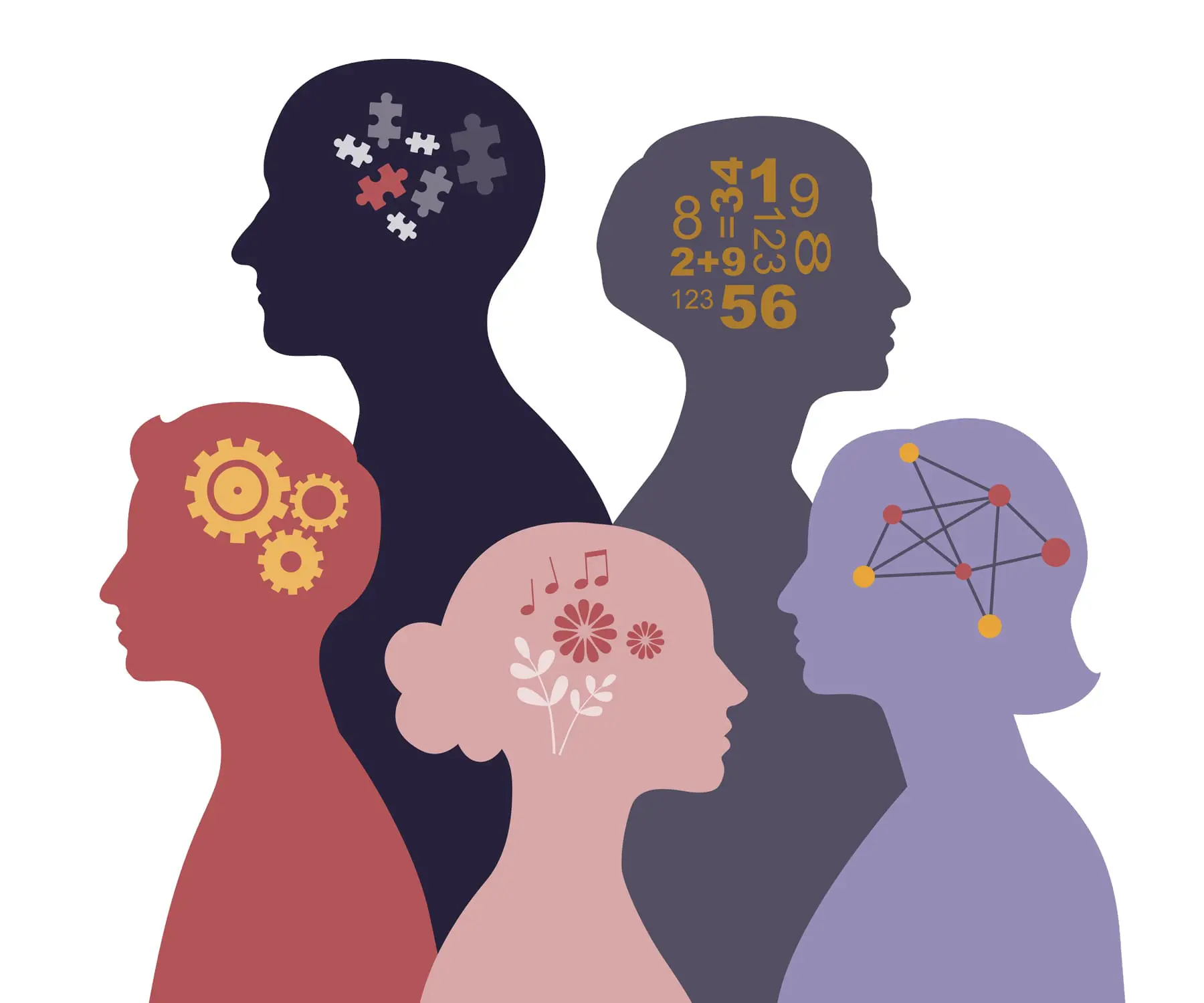
Neurodiversity is the biological reality that no two human nervous systems are alike. Our minds and bodies are inseparable, and like snowflakes, unique. There is no “correct” way for a nervous system to be organized. We all process information, respond to our environments, and navigate relationships differently. Neurodiversity includes everyone.
The term “neurodivergent” is often used as shorthand for autism, ADHD, dyslexia, or giftedness. But the word itself tells us something important. “Divergent” implies a point of comparison. A person is only divergent relative to what their culture deems “normal,” and that standard isn’t neutral. It’s defined by power structures and reinforced through the systems they create. Schools are one example, with expectations of quiet bodies, predictable responses, and performance on set timelines. These systems stay in place not because they must, but because changing them isn’t prioritized.
When a child’s way of being doesn’t fit those expectations, the child often gets labeled as the problem. But what if the problem is the environment? A child who needs movement to focus is “divergent” in a classroom that demands stillness. That same child in a more flexible environment might never be labeled at all. The divergence isn’t a defect in the child. It’s the friction that happens when a unique way of being meets a system built without flexibility.
What Friction Can Look Like
We all experience environments differently. When there is friction, the body responds in ways that help the nervous system find balance. This can look like avoidance: refusing certain foods, pulling away from unexpected touch, or avoiding loud spaces. Or it can look like seeking: needing background music, chewing or fidgeting, retreating into imagination when under-stimulated, or craving deep pressure from a weighted blanket. Avoidance and seeking behaviors are the nervous system trying to regulate itself. Responsiveness isn’t fixed. It shifts depending on the type of input, the context, and a person’s current state.
When the nervous system can’t find balance, it goes into protection mode. Some people fight or flee: lashing out, covering ears, or leaving the room. Others freeze or fawn: shutting down or masking distress to blend in. These responses are unconscious. A child who bolts from the classroom or shuts down completely isn’t choosing defiance. Their body is responding before awareness kicks in. When we can understand this, everything changes. Instead of punishing behavior, we can ask, What does this person need right now to feel grounded and safe?
Unpacking Labels
In our schools, the number of neurodivergent students is rising. Many families seek psychological evaluations to gain access to special education services or accommodations protected under 504 plans. Part of the increase reflects a broadening of who gets seen. Diagnoses require meeting deficit-based criteria, and those criteria were historically developed from a narrow profile. Girls and people from different racial or cultural backgrounds were frequently missed, not because they weren’t struggling, but because the system wasn’t built to recognize them. Dr. Diane Hudson of ABC Pathways notes that neurodivergent girls can be “almost invisible to the outside observer.” Because their struggles are often internalized, they’re harder to spot. The rise in labels also reflects environments that have become more demanding and less flexible. The problem is the system, not the children in it.
Do labels matter? It depends on which label and who you ask. Few parents hesitate to pursue a “gifted” designation, yet many resist others, fearing a label will negatively define their child. Throughout history, labels have been used against people, limiting participation in society and reducing complex human beings to a list of deficits. Some claim labels as a way to understand themselves or their children, find community, and advocate for change. In our current system, accessing insurance-covered therapies, medication, and legally protected accommodations often requires a clinical diagnosis. Yet pursuing one comes with tradeoffs, including giving up privacy and inviting ongoing scrutiny around the need for support.
Until our schools and communities are truly neurodiversity affirming, the goal is the same whether your child has a label or not: Understand how they experience the world and collaborate with the people in their lives to build environments in which they can thrive.
Teachers, I See You
You’re handed a roster with a growing list of individualized accommodations: extended time for this student, preferential seating for that one, movement breaks for another. Keeping track feels impossible, and the systems you’re working within weren’t designed with flexibility in mind. Instead of retrofitting accommodations for individual students, what if we designed learning environments flexible enough for everyone from the start?
Start with relationships. Seeking out students’ strengths and building genuine connections creates psychological safety. Students who feel seen are more comfortable being their authentic selves, and that can reduce friction. The next layer is Universal Design for Learning: designing environments that work for everyone from the start. Scheduling “mindful minutes” helps students reset after transitions. Captions on videos offer multiple ways to process information. Seating options allow students to choose what works best for their bodies. Movement breaks support learning, retention, and integration. Build in flexibility, and everyone benefits.
For the Caregivers
When typical parenting strategies fall flat, it’s easy to feel alone. “Parenting a child who experiences the world intensely is exciting, but also challenging,” says Jean Abrams, a licensed clinical social worker. “It requires lots of patience, self-care, and creativity.”
To combat isolation, she and the team at Teton Behavior Therapy created a free online support group to give caregivers space to learn tools and feel seen. (Email info@tetonbehaviortherapy.comfor information.)
Remember that you are your child’s best advocate, and over time, you can help them become their own. What matters most is staying curious about how your child experiences the world, helping them understand the unique ways they take in and process information, and empowering them to build systems that work.
When we design environments that support all kinds of minds and bodies, we embrace neurodiversity. And that benefits everyone.
Glossary
—
neurotype
The pattern in which a person’s nervous system is organized. Neurotypes can be innate, like ADHD, autism, or dyslexia, or acquired through experiences, like trauma or brain injury.
clinical diagnosis
A formal label given by a licensed professional. A clinical diagnosis is often required to access insurance-covered therapies, medication, or legal protections.
neurodivergent
A person whose way of being diverges from cultural expectations. Neurodivergence isn’t inherent in the neurotype; it’s created by the mismatch between a person and their environment.
educational designation
A label given by a school to qualify a student for special education services or accommodations. This doesn’t always require a clinical diagnosis.