

Read The
Current Issue
By Lacey McNeff // Photography by Natalie Behring
—
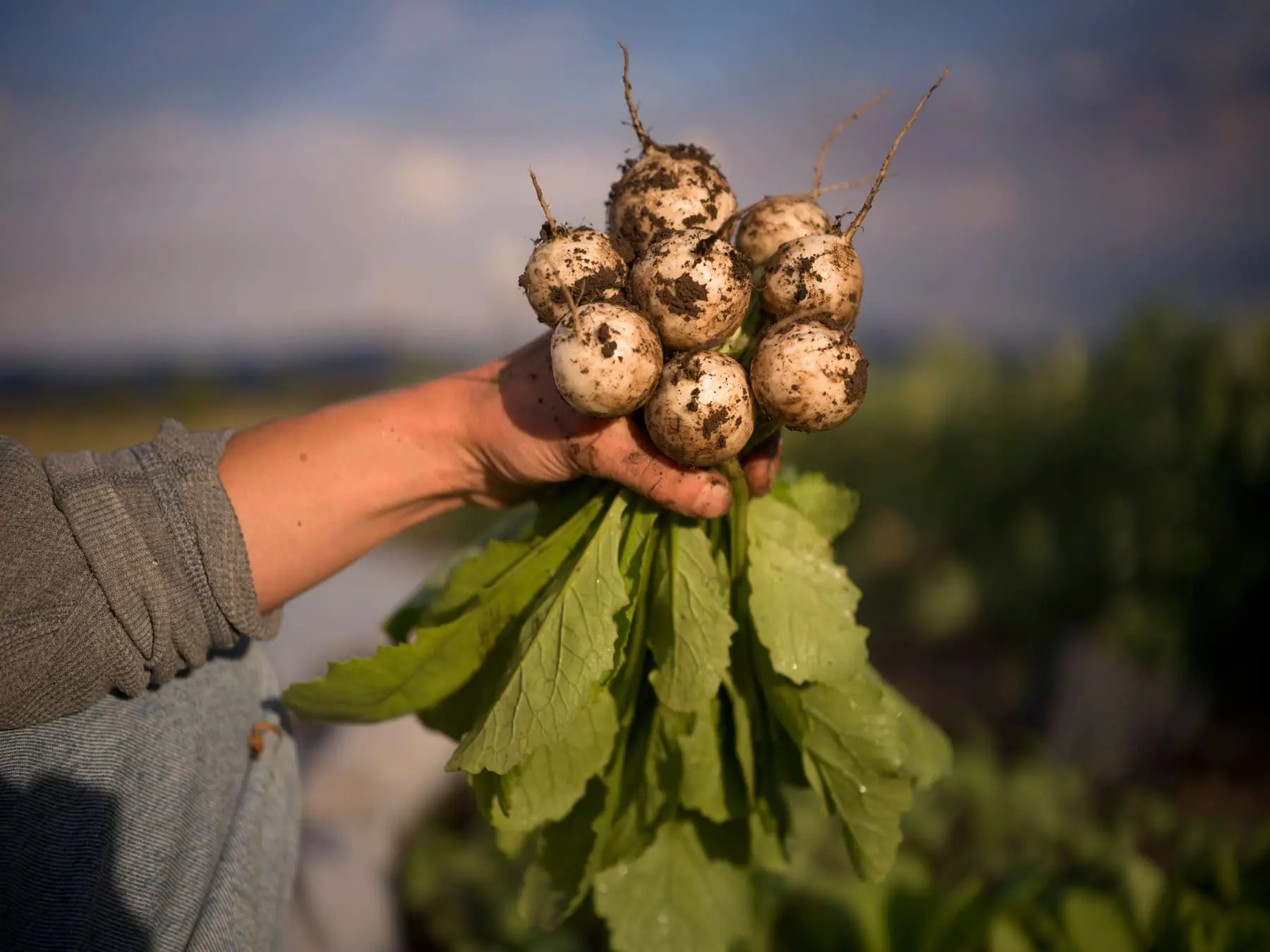
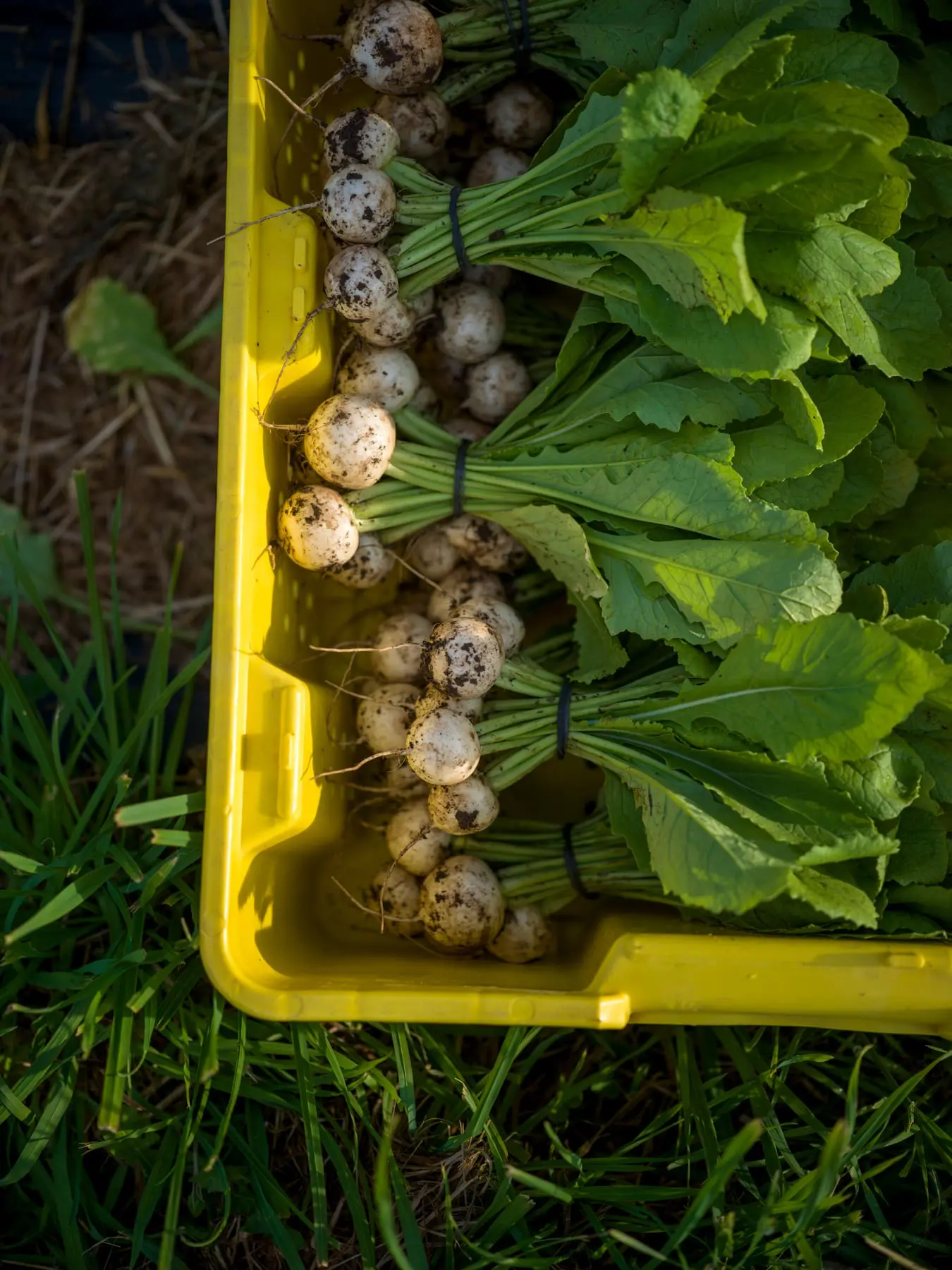
Summer’s first flavorful greens are always a welcome gift, a promise of all the deliciousness ahead. Our regional farms produce some of the best seasonal produce — from lovage, radishes, and herbs to carrots, turnips, and tomatoes. I wait patiently for these goodies to pop up at farmers markets and stands, grateful when they do, as each tender morsel is the culmination of many hands working with microbes-packed soil, precious water, and consciously stewarded land.
Even though the growing season in the Tetons is short, farmers are planning their crops year-round and tending to all aspects of their farm. To grow food for a community like ours takes dedication and hard work. So, farmers seek volunteer support for their CSAs (community-supported agriculture) to share the responsibility of producing high-quality nourishment.
There is a rich history across the United States of communities coming together to give farms foundational assistance. During the Civil Rights Movement in the 1960s and ’70s, Dr. Booker T. Whately pioneered a “pick and pay” system — a membership club that supported Black farmers using regenerative agriculture and organic farming practices. Members would pay at the start of the farming season and then come to the farm and pick what they needed throughout the summer. In a 1982 interview with Mother Earth News, Dr. Whatley said, “The clientele membership club is the lifeblood of the whole setup. It enables the farmer to plan production, anticipate demand, and, of course, have a guaranteed market.”
In 1986, Indian Line Farm in Massachusetts and Temple-Wilton Community Farm in New Hampshire developed their own CSA programs, which closely resemble those of today. Both farms remain in operation and have inspired farmers across the country, including those in the Tetons, to adopt the same methods of connection and farming.
Regionally, community-supported agriculture has been vital to the survival of many decades-long farming operations. Local CSA memberships operate similarly to the ones started on the East Coast in 1986: Community members sign up and pay in advance to receive a full share or half share of produce and/or flowers throughout the summer season, which is typically 16 weeks long.
Workshares — where community members volunteer their time on the farm in exchange for produce — provide a lifeline for farms throughout Teton Valley. Extra hands make the flow of production smoother, while volunteers learn from farmers how to steward the land according to their principles.
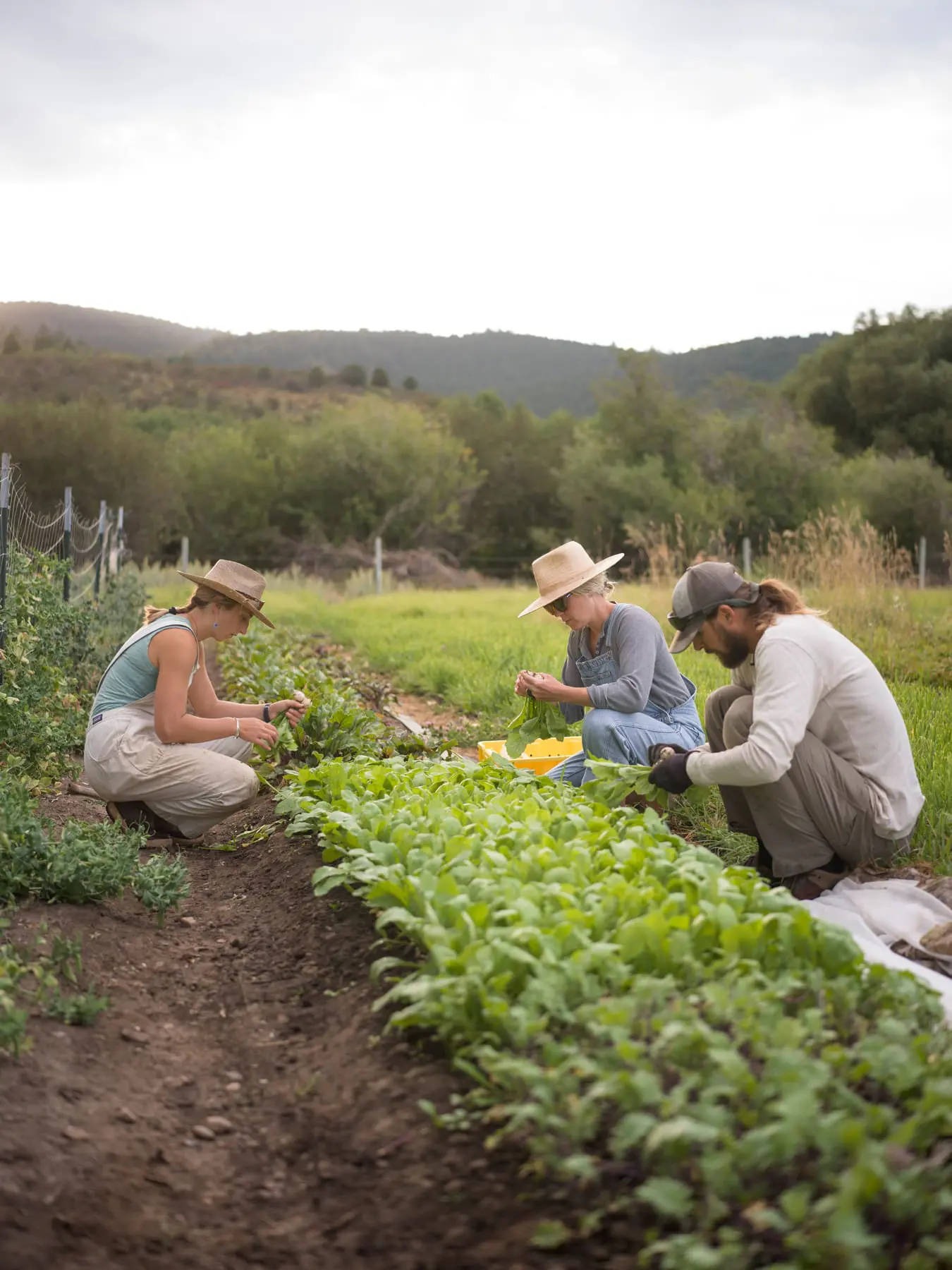
Erika Escholtz reflects on the impact of workshares on her Victor farm, Teton Full Circle Farm, which she runs with her husband, Ken Michael.
“We couldn’t farm here without workshares,” she says. “I don’t know how we would financially pull it off. I feel like every spring, when we begin, people show up with their work gloves, excited and ready to farm. It’s such a relief to see people coming — it’s a beautiful sharing and exchange.”
There is a deep sense of gratitude from the volunteers who work the land, as well. Ashley Rogers, a workshare volunteer for over a decade at Teton Full Circle Farm, says, “When I work on the farm, I feel so connected to something meaningful. I think part of it is just slowing down and getting my hands on the dirt and being connected to the earth again. There’s no technology, no phones, no distractions. You’re [simply] having meaningful conversations with people.”
Volunteers come from all the region’s nooks and crannies, cultivating an abundantly diverse community, just like the plants grown on the farms. They gather to share ideas, recipes, life, and general knowledge, which supports their individual growth, as well.
Rafe Rivers of Canewater Farms explains, “Years ago, when one of our volunteers, John, who is a close friend now, started coming out, he had a desk job and worked for a company in Europe while living in Jackson. He started volunteering to ‘get his hands dirty,’ and now he helps me with business planning. I remember his mother visiting when he was volunteering, and she told me, ‘This is changing [John’s] life, you know.’”
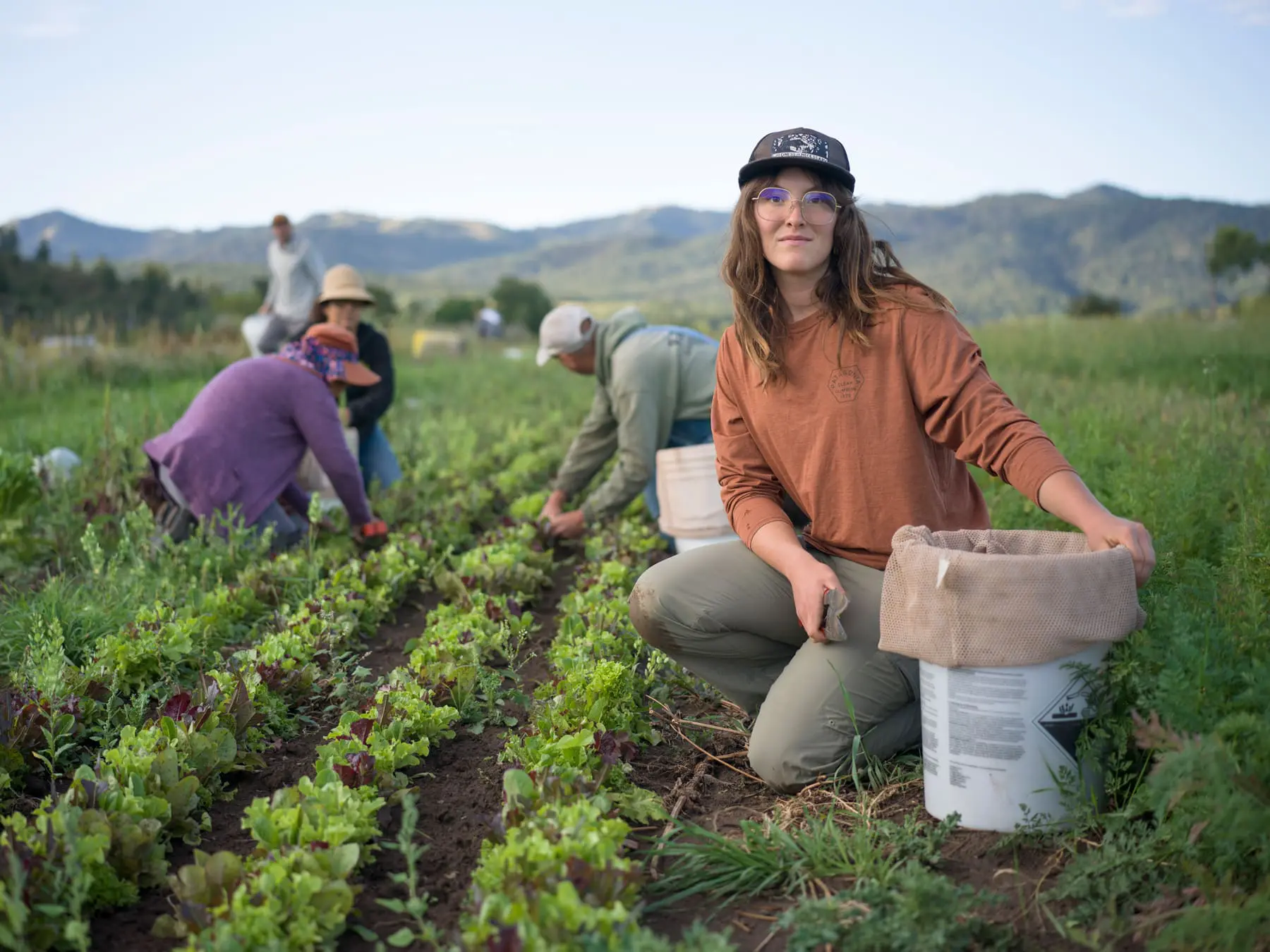
Larger labor-intensive tasks can feel deeply rewarding for volunteers, especially when the task is shared, reflects Penny Murray, who started volunteering at Cosmic Apple Gardens in 2015, right after she and her husband relocated here.
“There is something about pulling weeds that feeds my soul,” she says. “But one of the most memorable moments is participating in the garlic harvest. This might be the 27th generation of garlic that [Cosmic Apple] has planted, and the harvests are extensive.”
Penny explains the many facets of garlic harvesting: First, the scapes pop up and need to be cut and harvested. Next come the garlic bulbs, which need to be harvested and dried; this involves turning and counting them often.
“We’re all so elated when we’re finally bringing the garlic in from the field,” she says. It’s inspiring to “watch something as lovely and intelligent as garlic go through its whole life cycle, and then into my mouth.”
As a volunteer, it’s important to take time to appreciate the land and the edible gifts, especially during challenging moments.
Jo Wildnauer started volunteering for Snowdrift Farm in 2015 and remembers that washing the produce was a tricky task because, at that time, the farm was 100 percent off-grid.
“You would have to go and manually turn on and off the water in the middle of the raspberry pack,” she says. “It was always [a fun task] because there were raspberries all around you, and you could eat a bunch while working.”
Volunteering on a farm helps you glean an incredible amount of knowledge from the farmers, fellow seasoned volunteers, and the plants and land itself.
Mandee Sarno, who has volunteered with Escholtz and Michael for over 20 years, says she has learned so much about farming, as well as saving and preserving food when the harvest is abundant.
“[Erika and Ken’s] enthusiasm for teaching instills the same joy in me for teaching others when the new workshares come to the farm,” she says. “I feel like I’ve gained a certain level of knowledge, and I’m just so eager and inspired to share that with other people.”
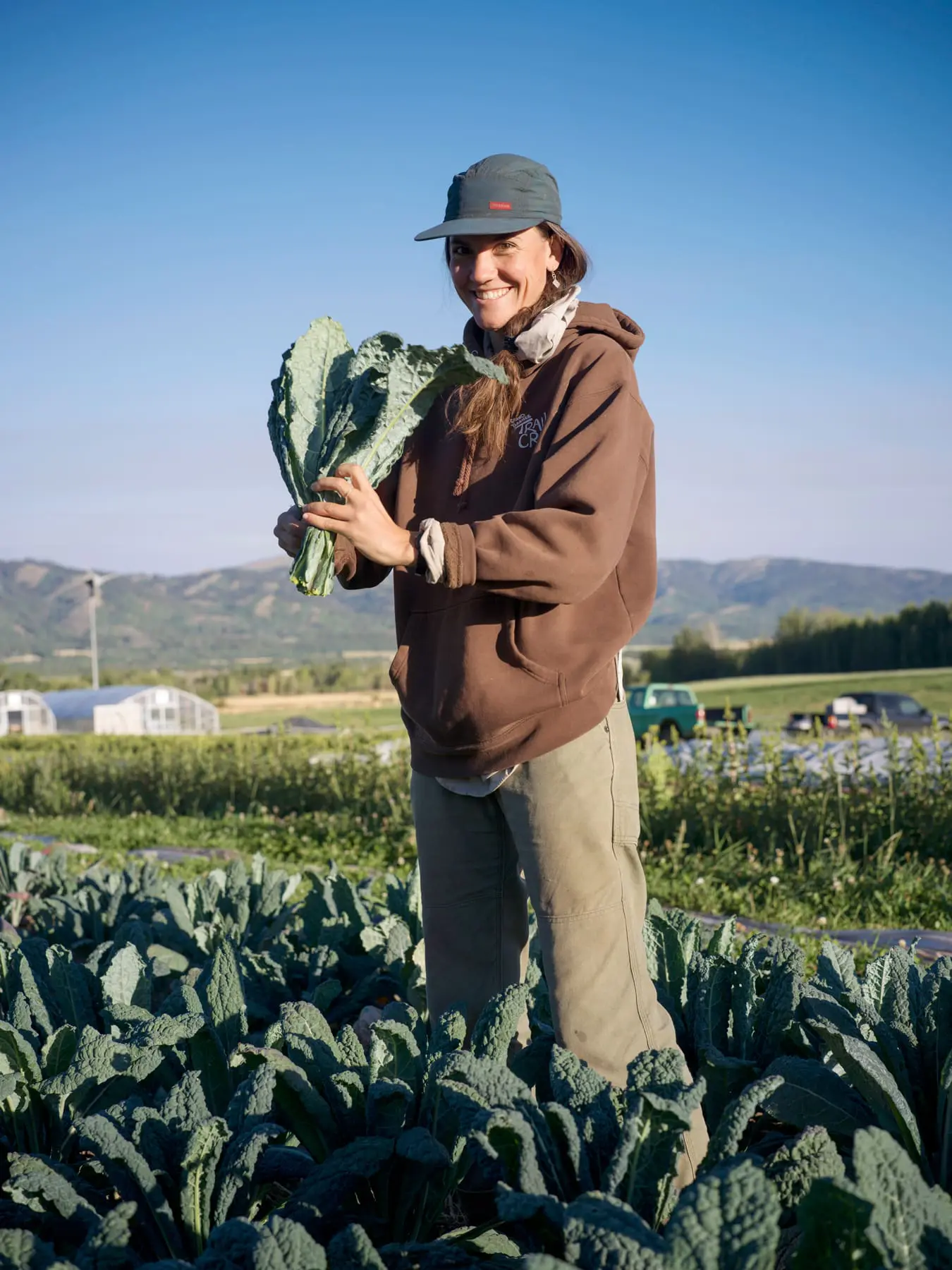
Whether you’re new to the area or are looking to deepen your community roots, Teton Slow Foods in Jackson is a great organization to get involved with. They offer many volunteer options, like helping with the Farm to Fork or the Canewater Farm Dinner events, or volunteering at the Jackson Hole People’s Market or the Slow Foods’ Farm Stand.
Ellen Wilkins, Community Partnership Director, started volunteering with Slow Foods after moving to Jackson and reflects on the incredible opportunities to learn and connect.
“I think we have amazing staff who are so welcoming and willing to teach a multitude of specialized skills,” she says.
For instance, the Farm to Fork Festival offers 12 educational workshops each year. Last year, Wilkins ran the “rise and brine” workshop and said her four volunteers developed in-depth knowledge of how to pickle, ferment, and make sauerkraut, just by helping.
“[Volunteering] is such a great opportunity to meet the instructors of those workshops and gain that knowledge,” she says. “For me, it initially made Jackson and the wider community quickly feel like a very small town.”
The effort of working the land side by side — dirt under nails — and braving all sorts of weather deeply connects people. Our food community’s workshare volunteers end their season with more than produce in hand, as the gifts of their harvest also include cherished knowledge, memories, and friendships that will last a lifetime.
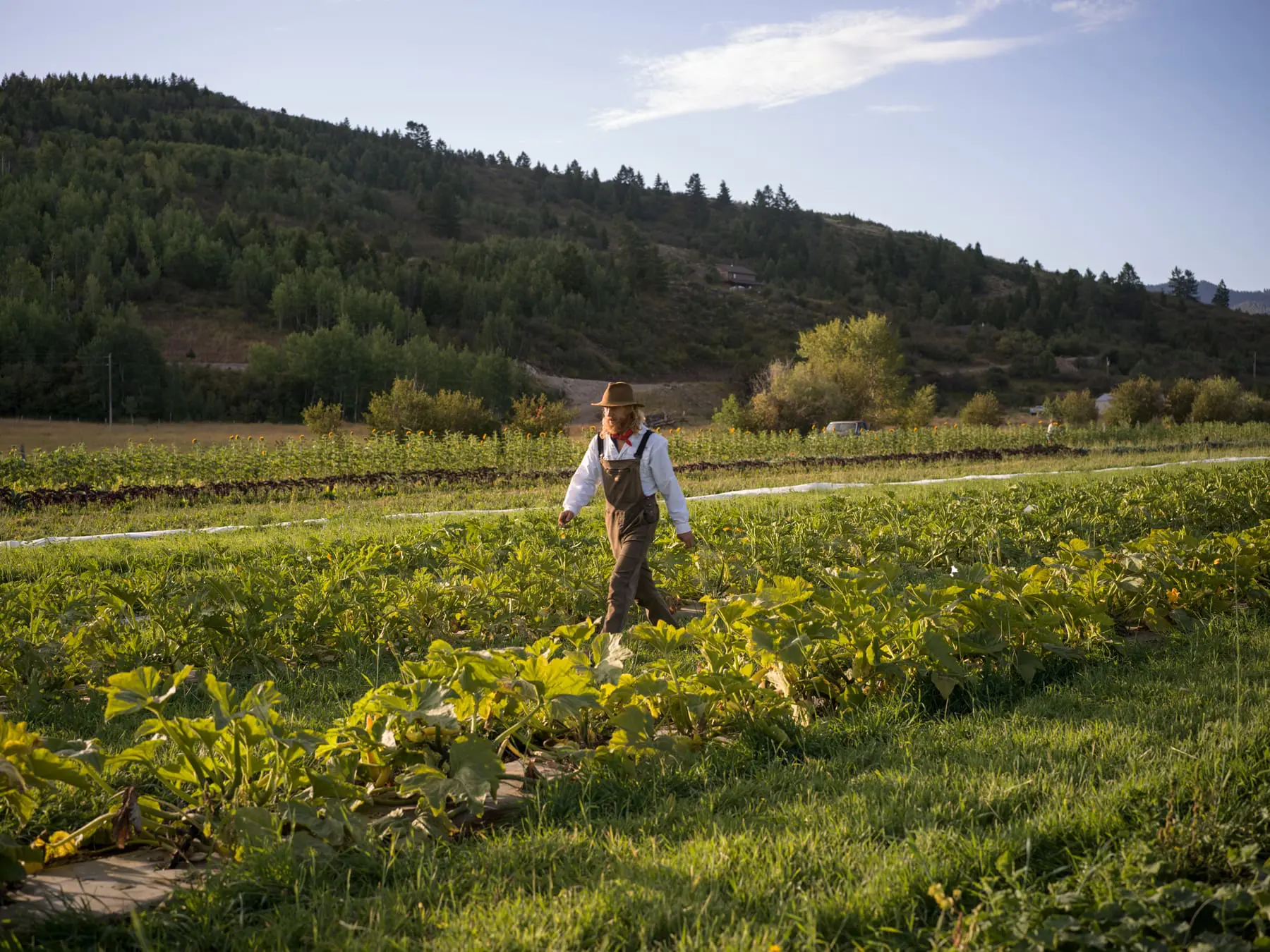
Where to Volunteer
Cosmic Apple Gardens
Commitment: One 5-hour shift per week for one month
What You Get: A half-share of the veggies for the day
cosmicapple.com
Teton Full Circle Farm
Commitment: One 4-hour shift per week, April 28 – October 15
What You Get: Vegetable shares from June through the end of the season, plus bonus early-season veggies and flowers, when available; a 15% discount at the farm stand
tetonfullcirclefarm.org
Canewater Farm
Please reach out to Rafe Rivers at raferivers@gmail.com for volunteer opportunities.
canewaterfarm.com