

Read The
Current Issue
By Kate Hull
—
After watching local skiers Breezy Johnson and Jaelin Kauf win medals at the 2026 Winter Olympics, it was nearly impossible not to feel inspired by the guts, glory, and incredible athletic feats of competitors from across the globe. As a parent of two young children, I couldn’t help but wonder if my mountain kiddos will find a passion in the adrenaline-filled world of these disciplines — and in the Tetons, they will no doubt have ample access (no matter what my nerves would prefer).
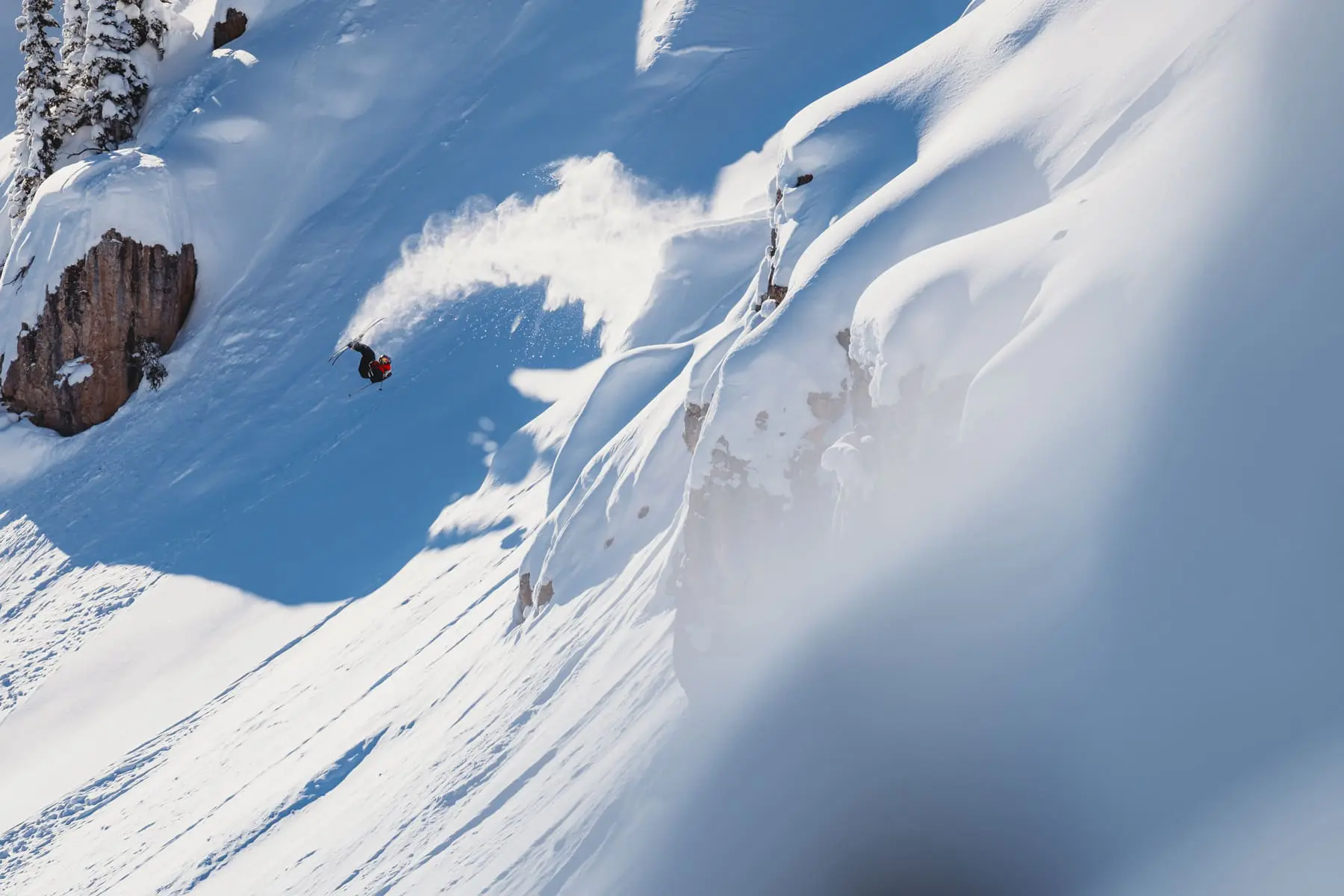
The inspiring stories didn’t end when the Olympic flame burned out. The greater Jackson and Teton Valley area is ripe with young athletes making waves in many different extreme sports, like mountain biking and rodeo. Still, with our long winters and legendary snow, it’s not surprising that snowsports dominate the local scene. Whether it’s Kai Jones’ jaw-dropping cowboy-style line that earned him a third-place finish at the first-ever FIS Freeride World Championships in Andorra or Breezy Johnson’s Olympic World Champion victory — many of the athletes this area produces are truly next-level. As a fan of sports, I am enthralled. But as a parent, I have some questions.
A Lesson in Leaning In
While the odds of catapulting to a level akin to local athlete Kai Jones are slim, it doesn’t, and shouldn’t, stop valley youths from diving into their passions and pushing. When the risks feel high, however, the parenting roadmap gets a little muddled: How do parents find the balance of supporting their athletes, while helping them weigh the real risks of injury … without dampening all the joy?
For parents of some of the region’s most impressive and dedicated young athletes, the answer to walking the tightrope is giving them the autonomy to make their own decisions, while knowing when to step in and pump the brakes.
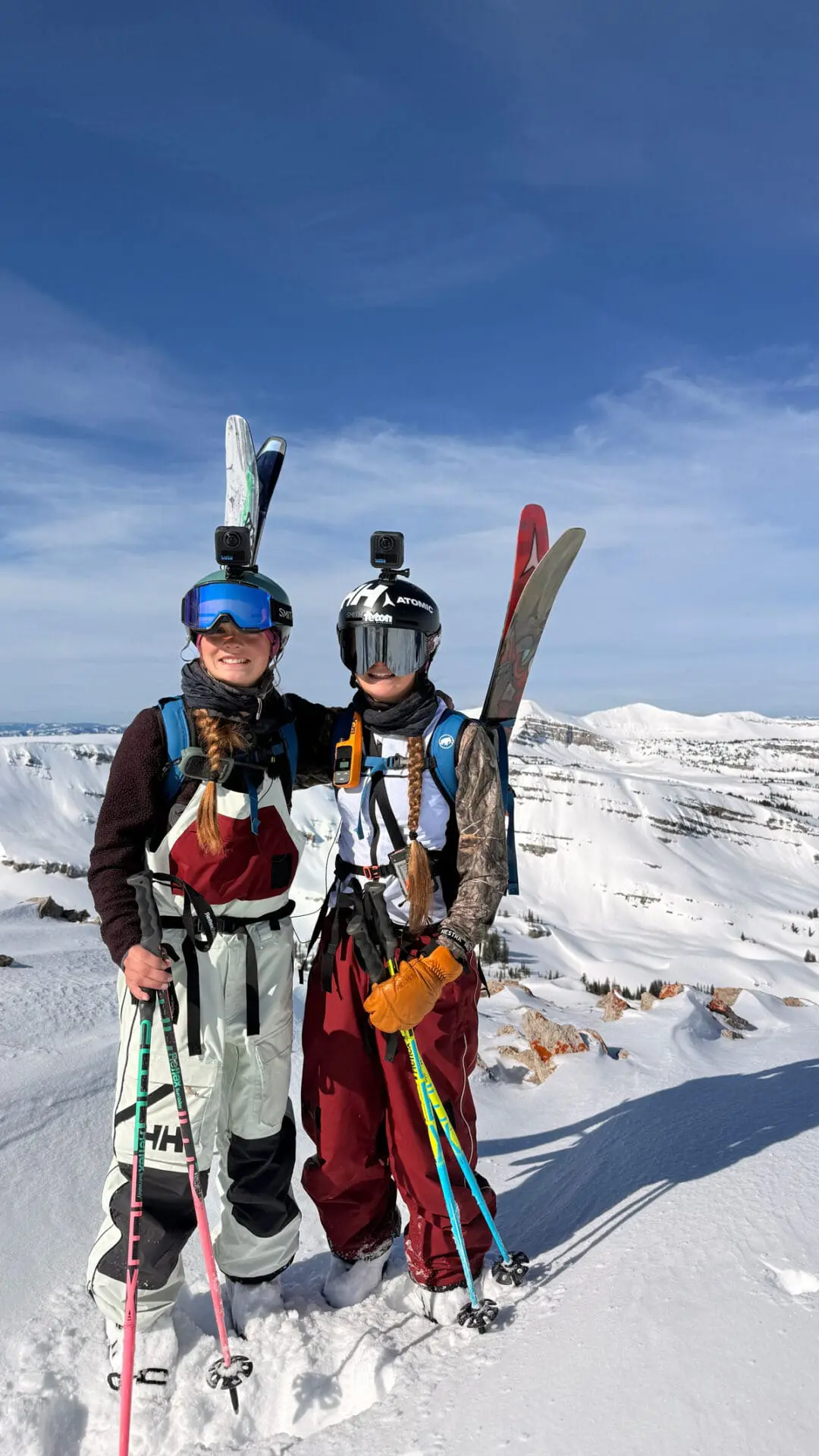
For Jenn and Ty Watson, Teton Valley parents of three kids, Cooper Watson, age 18, and twins Rylee and Maddie, ages 15, all knee-deep in competitive freeride skiing, leaning into the expertise of coaches has been key.
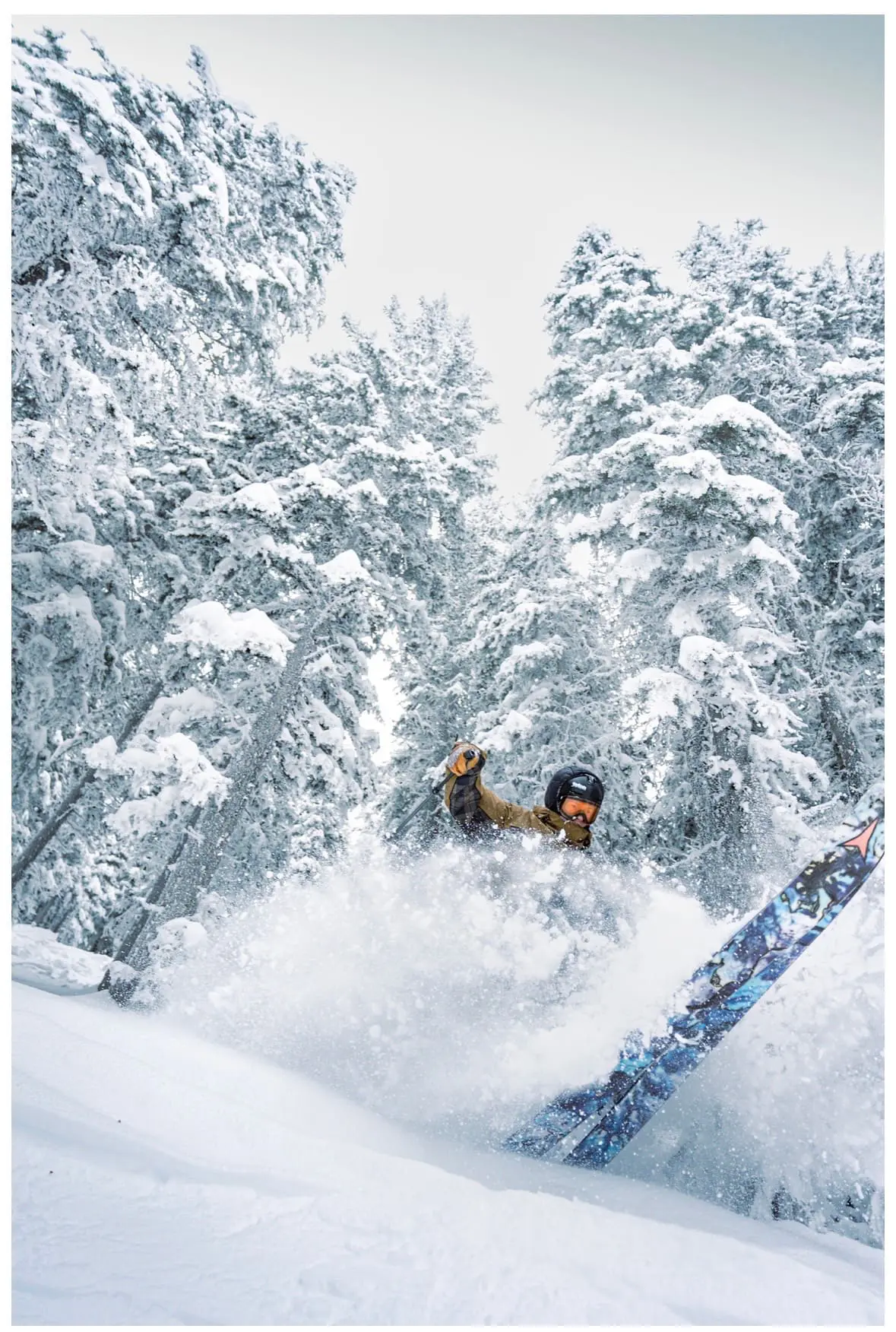
“I have been skiing for as long as I can remember and really started loving it when I was around 10 years old,” Cooper says. “I started skiing with the Grand Targhee Ski and Snowboard Foundation (GTSSF) freeride team and competing in IFSA freeride competitions.”
“We never put pressure on him,” his dad, Ty, says. “We let him drive his own bus. We have done that with all our kids and try to keep it fun and give them the right resources to succeed.”
While Jenn and Ty both enjoy skiing, they quickly realized that their kids’ passion surpassed their own skill and comfort levels. They leaned on the expertise of coaches at GTSSF to guide the next steps, calling GTSSF’s executive director, Gary Mackenzie, and the rest of the coaching team, invaluable mentors for Cooper, Rylee, and Maddie.
“At some point, Jenn and I both had to come to grips with the skill level difference between ourselves and our children,” he says. “Hitting a cliff may seem like a big deal to us, but when I go [out] with the kids, it’s like their daily 9 to 5. It is no big deal to them.”
“Talking to coaches and relying on their feedback, in addition to talking with the kids about listening to their gut, has been huge,” Ty continues. “We make sure they feel like they have the confidence to do it.”
Jenn agrees. “I remember, in the early days, before a competition, [Cooper] would tell us he was going to try something I thought was scary,” she says. “I would look at him and say, ‘Oh my gosh, are you sure?’ and that put doubt in him. It was scary for me, but not for Cooper and his coaches. They know him and his skills, and I trust that now.”
Cooper navigates the pressures of competing by focusing on why he loves the sport. “I have learned that trying to prove myself just makes me overthink and crash,” he says.
While working on a self-funded ski film in Europe, Cooper unfortunately injured his knee, which prematurely halted his 2026 ski season. The injury has renewed his focus, and he’s already looking forward to getting back out there, he says.
“Cooper is learning that he has to keep his body strong and take care of himself, and you take that for granted until something happens,” Jenn says. “I have seen a shift in Cooper wanting to take better care of his body.”
Striking A Balance
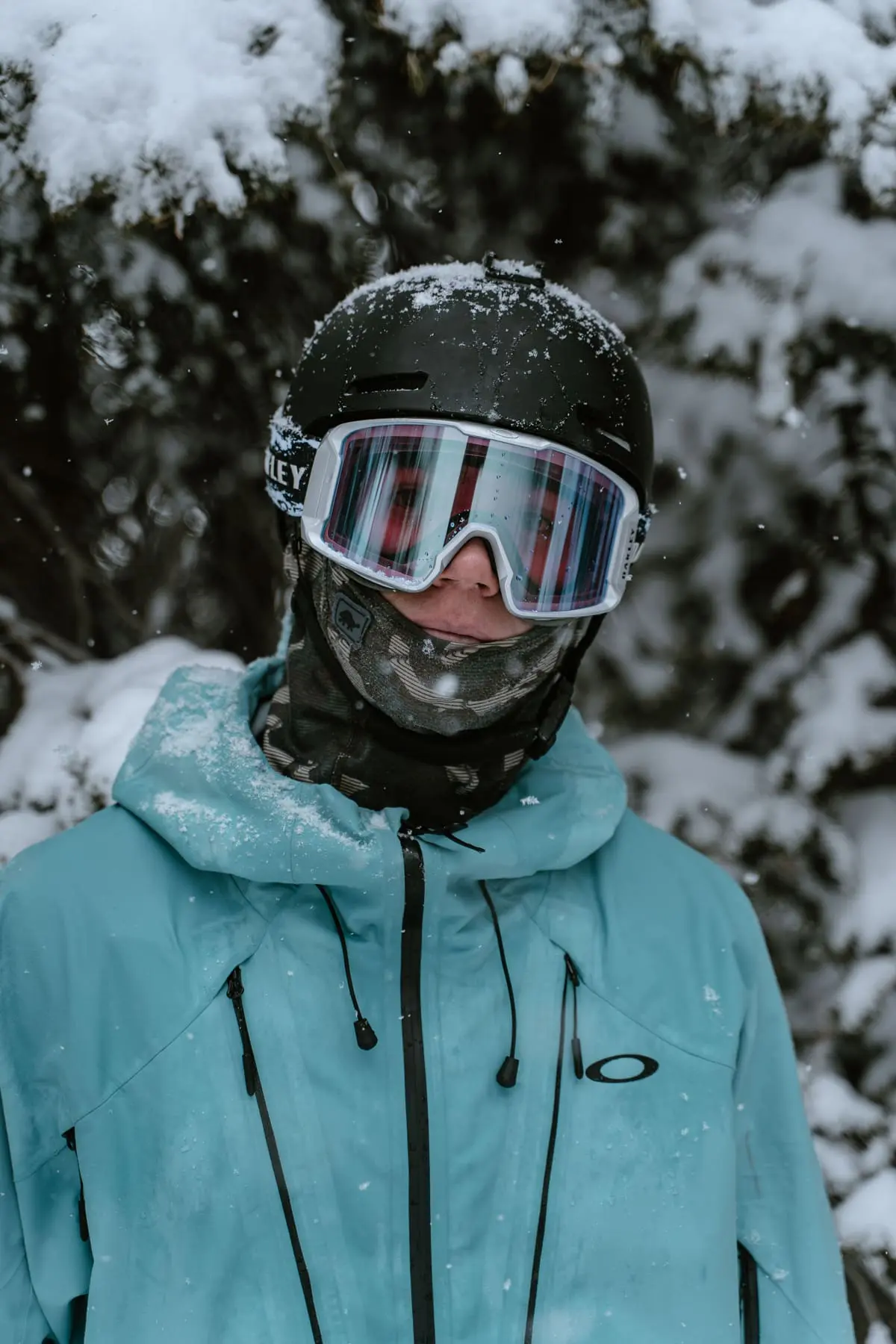
Jackson teen Nico Santelices feels the most at home in the mountains. Like so many valley kids, he’s been skiing since he could walk, and started mountain biking as soon as his legs could manage the pedals.
Sue Muncaster and Christian Santelices, Nico’s parents, both say they were a bit relieved when Nico, now 17, opted to pursue skiing more seriously than mountain biking, thanks to the winter sport’s “softer landing.” Like the Watsons, Sue and Christian try to get out of the way of their kids’ passions, checking their egos at the door and instilling the importance of their kids trusting their guts.
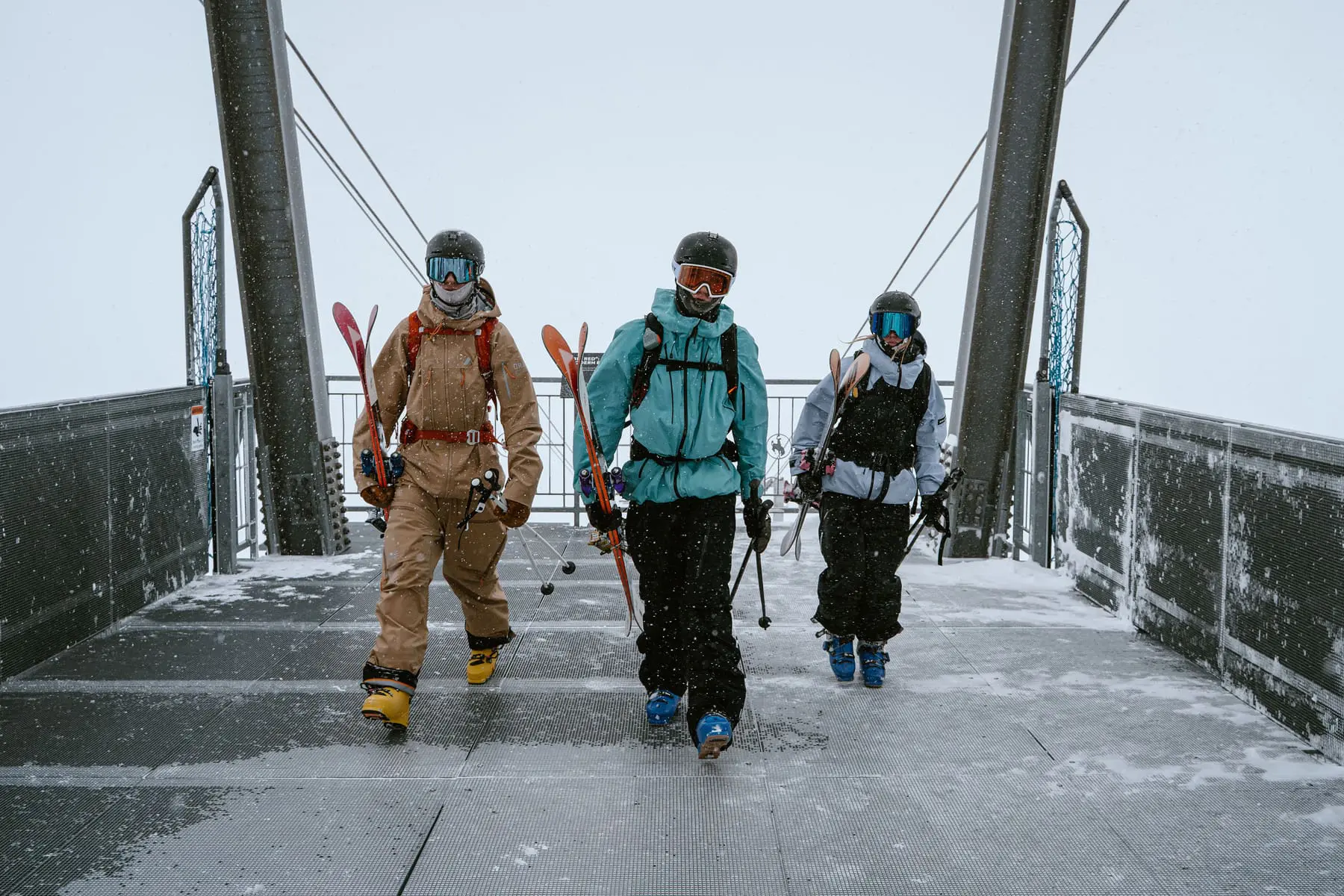
Christian, who works as a guide with Exum Mountain Guides, and is an IFMGA/UIAGM Mountain Guide, spends most of his days in the mountains navigating big decision-making.
“My job can be super dangerous, and our kids have seen my friends pass away,” he says. “It’s part of life, and we hold each other a little tighter, and we try to take advantage of it all now.”
They ensure Nico has all the appropriate gear, training, and avalanche knowledge, and they always communicate.
“We’ve insisted he get an Avy 1 certification, and we also insist on the right equipment and gear, which means we suck it up and get him the stuff to do it safely,” Sue says. “You instill early on that the safety equipment is non-negotiable.”
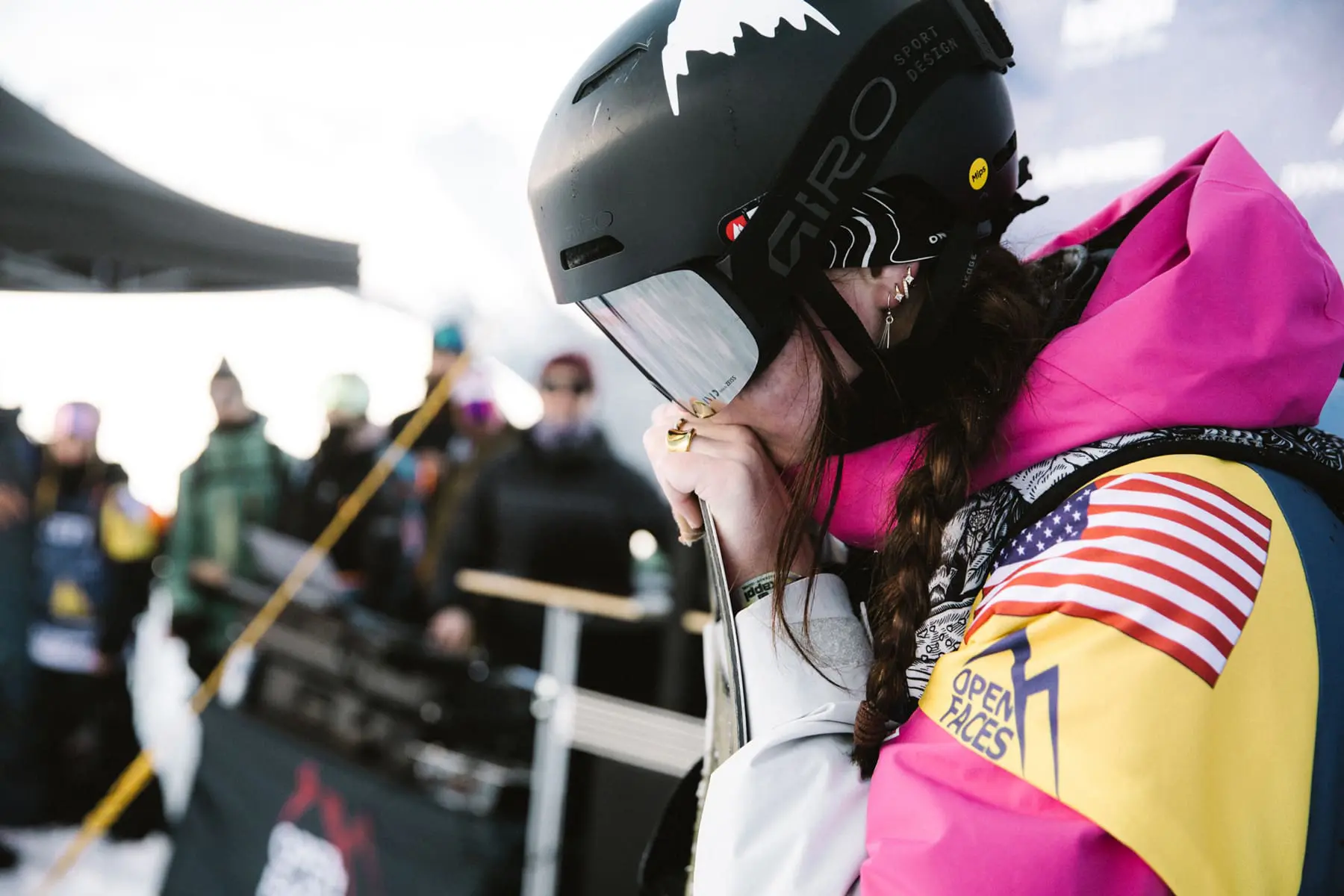
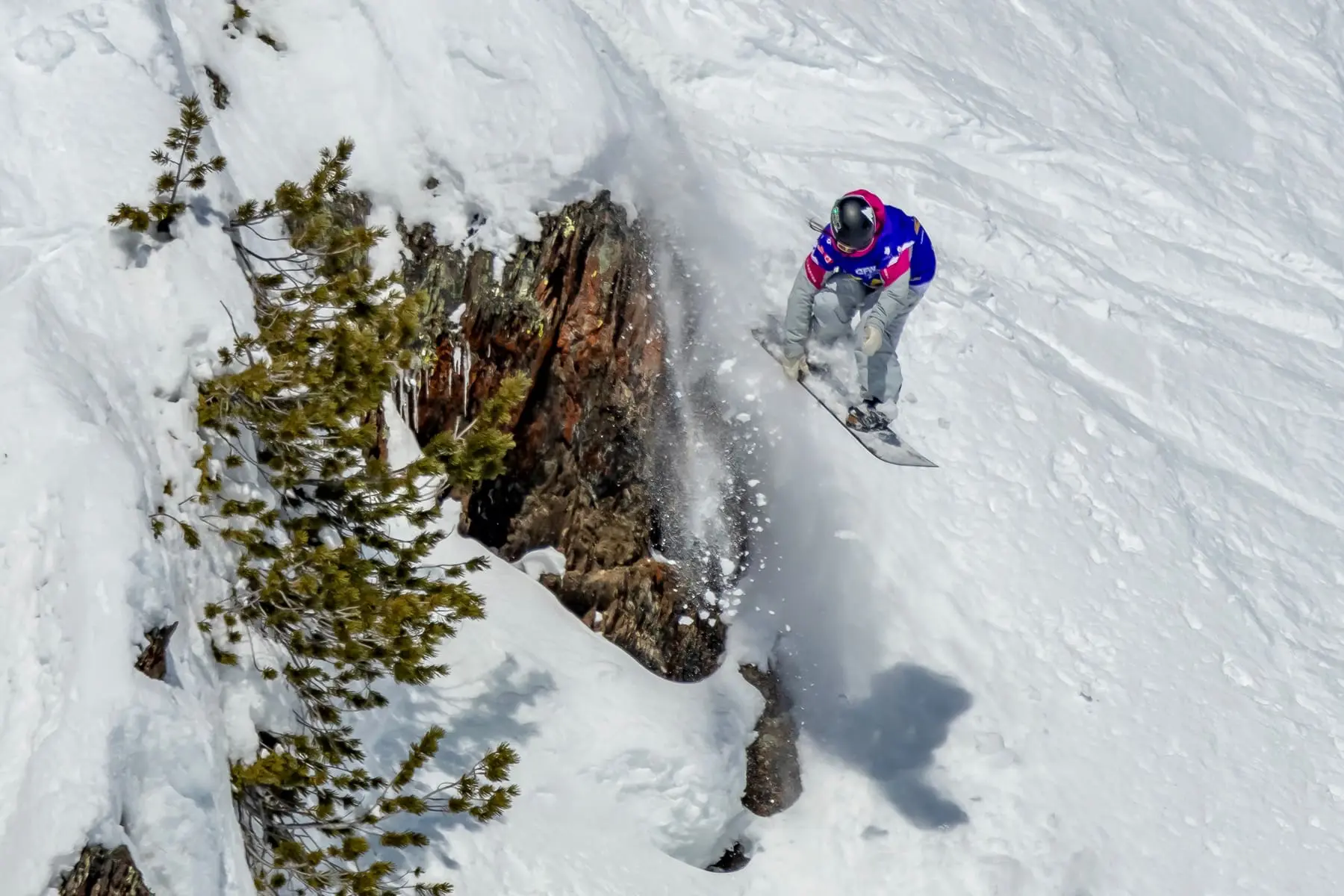
Willow Newton competed in the Junior Freeride World Tour in Austria this past winter in the women’s snowboard division. From Alta, Wyoming, 18-year-old Willow spent her winters in California with a host family while she trained at Palisades Tahoe.
“I started competing at 14 and just loved it,” Willow says. “I wanted to take it more seriously and moved to Palisades to get proper coaching in snowboarding.”
At the time, she didn’t have access to a higher level of snowboarding with other young women. This meant taking a huge leap of faith, not only for Willow, but also for her family. Her mom, Stacy Newton, says they are a family that follows their heart and intuition. So, at 17, Willow moved to dive headfirst into intensive training so she could compete on a more serious level.
“I believe that no matter what she does with the sport itself, participating in sports teaches young teenagers life lessons you can’t learn from your parents,” Stacy says. “None of it was easy, and none of it made a lot of sense; it was hard and terrifying, but it felt like this was where she was meant to be. It was beyond [just] the sport.”
Knowing The Why
For Oliver Dev, a Driggs-based licensed professional counselor with Rooted and Teton Behavioral Therapy, it’s all about knowing the “why” behind what you are doing. A client once shared a phrase that has stayed with him: “The mountains are either your gym, your church, or your theater.” And no matter which resonates the most, knowing the intention helps any athlete, regardless of their age, check in with themselves in an authentic way.
“For teenagers, their prefrontal cortex and the rational part of the brain aren’t fully developed, but I don’t think adults give these teens enough credit,” says Oliver. “We hear stories of teens doing dumb things, and parents start to become overprotective and don’t recognize that the teens have the skillset to understand risk tolerance, especially growing up here.”
“In a lot of ways, I do think teens know what they are doing,” he continues. “Adults can live in this fear-based world when it comes to their kids, which is valid, but it often doesn’t allow kids the freedom.”
Oliver, who specializes in counseling children and adults in topics ranging from anxiety and depression to identity development, notices that parents in the Jackson area are particularly tuned into having tough conversations with their kids about navigating risks.
An avid outdoorsman and member of Teton County, Wyoming, Search and Rescue, he has helped patients navigate the added pressures of being a teen in today’s world, from working through internalized pressures to the increasing intensity of pressure from social media.
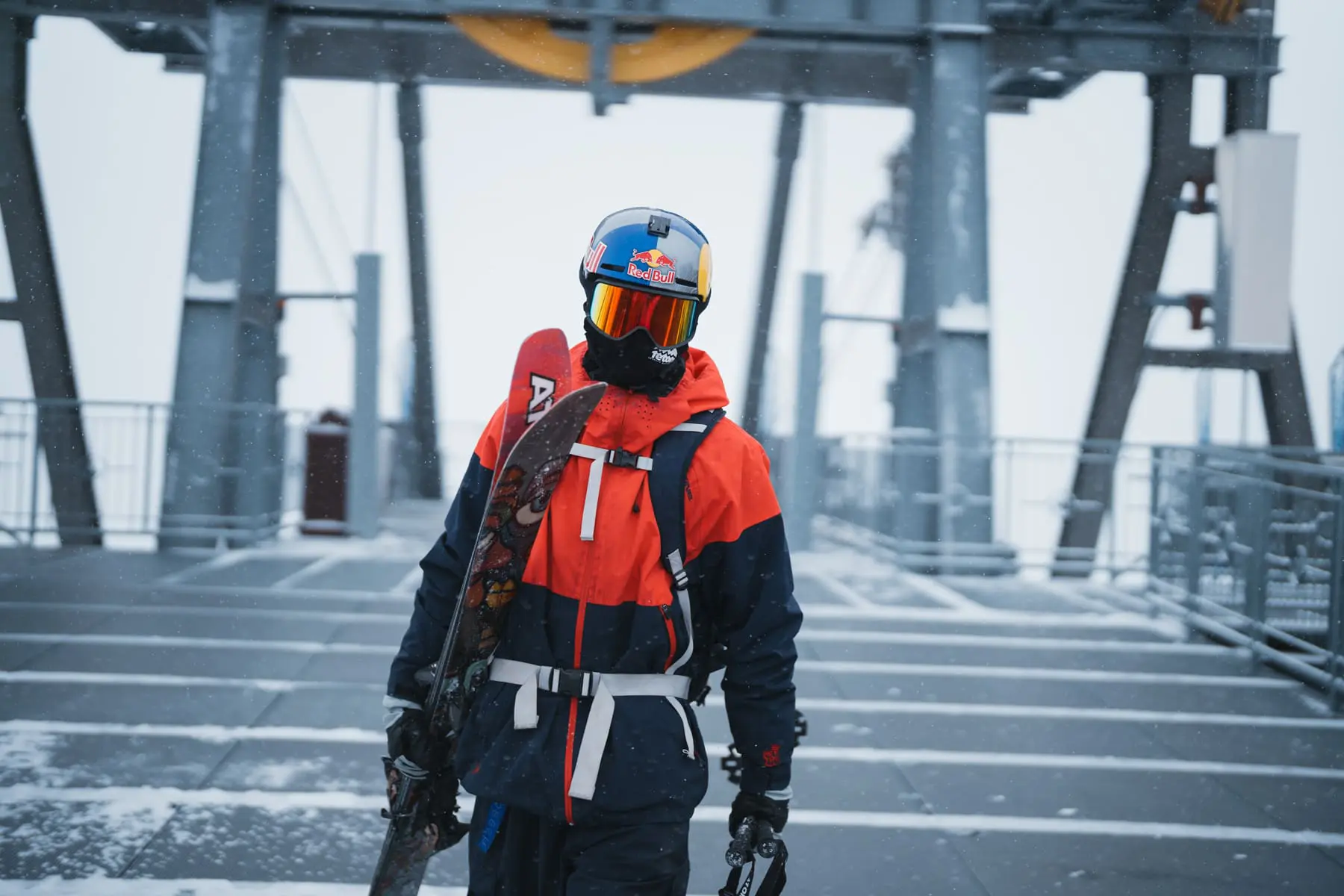
“Where things get complicated,” he says, “is in part because of social media. Teens are seeing people go for ‘line of the year’ or watching Red Bull athletes do these things that, if they are off by a fraction of an inch or a second, they could get seriously injured. The line gets blurred between recklessness and fearlessness.”
On the positive end, social media can be a pathway for motivation. “I use social media to push myself more than anything else,” Willow says. “I like to see people who are stronger and bigger than me, and it inspires me.”
Todd Jones, co-founder of Teton Gravity Research and dad to Kai, has the unique experience of parenting a world-renowned athlete and being a driving force in the ski and snowboard industry, thanks to his celebrated action sports media company. He’s watched the industry shift more toward safety and training, while also accelerating skill levels and tricks tenfold.
“We came from the school of hard knocks when we founded Teton Gravity Research (TGR), and we learned a lot on the way,” Jones says. “Now that I am older and wiser, when Kai started to get into this stuff, we put a lot of focus on safety, training, and decision making.”
Every December, TGR hosts a mandatory multi-day training camp and safety program called the International Pro Rider Workshop for everyone from athletes to crew.
“We come together with our whole team, and we practice avalanche safety, avalanche rescue, first aid, high-angle rescue — we train in all aspects,” Todd says. “What we try to teach the most is preventive measures like picking the right days and going at the right times.”
These lessons are an integral part of Kai’s training and success.
“Kai has grown up in this environment,” Jones says. “He has been participating in the [workshop] for seven years. We’ve talked a lot about making the right decision before anything can go wrong.”
Watching these kids grow up at Jackson and Targhee with good teams and good coaches and good peers — it’s a game-changer!”
— Todd Jones, Teton Gravity Research Co-Founder
Todd and Shelly (Kai’s mom) recognized his competitive drive and talent early on, shaped by a childhood immersed in TGR, calling him a quick bloomer. “By the time he was 11 and 12, Kai wanted to ski Mount Moran and Central Couloir.”
Todd echoes Oliver that social media has progressed the sport for all athletes — from teens to adults — at hyper speed.
“I would go beyond young athletes and say, in general, being able to see what [skiers] are doing on a worldwide basis in a semi-real-time scale has progressed things quite a bit,” Todd says. “When people see a young kid doing a backflip at 9 years old, other kids start doing it, and then [backflips] are the new standard.”
The gear, terrain parks, trails, teams, coaches, and general mountain access are evolving in tandem. The results? More and more kids are vying for a spot on the podium, whether it’s snow sports, bikes, skating, or beyond.
“Watching these kids growing up at Jackson and Targhee with good teams and good coaches and good peers — it’s a game changer,” Todd says. “They know where to go to try their first backflip … They are doing the tramp training at Teton Indoor Sports Academy and gearing it toward freeride. I think it’s just the natural evolution of things.”
And behind every epic backflip on the slopes, countless parents are navigating nerves, hoping they struck the right balance of letting their kids pursue their passions while mitigating what risks they can.
Check Yourself
Backcountry recreation in any capacity, from mountain to river, poses choices that affect not only you, the individual, but also your partner(s), other recreationists, and Teton County Search and Rescue (TCSAR) volunteers, who stand at the ready in Wyoming to help when something goes wrong.
Backcountry Zero, the outreach and education program for the Teton County Search and Rescue Foundation — a nonprofit supporting boots-on-the-ground Teton County SAR volunteers — is dedicated to building awareness for backcountry safety through programming, avalanche safety resources, and the like. A simple phrase sums up the fundamental idea: “Check Yourself.
“We started using this messaging of ‘check yourself, check your friends’ during the pandemic to help skiers, whether teenagers or adults, make sure they are good to go before heading out with their gear, physical fitness, and overall preparedness but also encouraging them to check in with their friends,” explains Matt Hansen, the communications director for the TCSAR Foundation.
The core approach normalizes speaking up. Questions such as “Is your gear good to go?” and “Do you have your Avy 1?” are key. A social-emotional component may feel harder to assess, but it is just as important: “Are you feeling up for it today?”
“I remember as a teenager you can feel this pressure to not want to say the wrong thing and to show your peers that you know what is going on, but we know not communicating and not asking questions can lead to tragic consequences,” Hansen says. “Be the person who always asks questions.”
Adding “check yourself” to your backcountry prep list provides a reminder to ask and listen before you head out.
“I think we should all encourage every user group — especially teenagers or younger groups of backcountry users — to absolutely speak up and communicate with their partners,” Hansen says.
From an app that shares your location with first responders in an emergency to mountain bike gear checklists and State of the Snowpack reports, Backcountry Zero offers a wealth of vital information and resources for everyone recreating in the backcountry. Visit backcountryzero.com to learn more.